
3205 E Thayer Ave, Bismarck, ND 58501
+1 (701) 807-8088
Mon–Fri: 7:00 AM–6:00 PM
Hail damage roof inspection and repair work in Bismarck, North Dakota
Great Plains Hail Corridor · Pea to Golf Ball Size
Bismarck’s Local Hail Damage Roofing Professionals

Hail Damage Roofing in Bismarck, ND

The Problem Most Homeowners Cannot See From the Ground

Hail damage is rarely visible from the driveway. Bismarck Exterior Pros inspects, documents, and honestly assesses hail-damaged roofs for homeowners across Bismarck, Mandan, Lincoln, and surrounding Burleigh and Morton County communities — then explains what the storm actually did and whether repair or replacement is the right call.

Serving Bismarck, Mandan & Lincoln
Full PhotoDocumentation
Honest CallRepair vs Replace
5+ YearsLocal Experience

Hail Corridor & Evidence

Why Bismarck Sits in One of the More Active Hail Corridors in the Country.

This is not generic storm talk. Bismarck’s location in central North Dakota places it squarely within the northern extension of the Great Plains hail corridor, and soft metal components around your home carry evidence of what each storm actually did.

Hail Corridor & Soft Metal Evidence Check
Form BEP–08 Page 1 of 1
01 The Hail Corridor
Storm Frequency
  • The Great Plains hail corridor runs from Texas through Kansas, Nebraska, South Dakota, and into North Dakota. This corridor produces more significant hail events per year than most other regions of the continental United States.

  • Bismarck’s spring and early summer months, roughly May through July, are when hail events peak. Thunderstorms developing along cold front boundaries over the Missouri Valley and the broader Burleigh County area produce hail that ranges from small pea sized stones to golf ball sized impacts in significant events.

  • The frequency of these events in an average year means that most Bismarck roofs will sustain at least one meaningful hail exposure during their service life. Many will sustain several. This is why hail damage is the most common source of insurance claims for residential roofing in the Bismarck market.

02 From the Ground
Soft Metal Evidence
  • Gutters and downspouts. Hail impact leaves circular dents in metal gutters and downspouts. The pattern, size, and distribution of these dents are directly attributable to a specific hail event. An adjuster reviewing your claim will examine gutter damage as evidence of hail impact severity.

  • Drip edge. The metal drip edge along your eaves absorbs hail impact and dents in a pattern that corresponds directly to what the shingles above it experienced.

  • Roof vents and pipe boots. Metal roof vents, exhaust caps, and the metal collars around plumbing vent stacks all show hail impact clearly. Dented or deformed vents are direct evidence of the storm’s impact on your roof system.

03 Verifiable
Independent Evidence
  • AC unit fins. Your air conditioning condenser fins, visible from ground level, dent from hail impact in a pattern that confirms the event’s intensity. Adjusters commonly examine AC units during hail claims inspections.

  • These soft metal indicators are significant because they are independently verifiable. An insurance adjuster does not have to take your word that the storm damaged your roof. The dented gutters, vents, and AC fins tell the story objectively.

  • We photograph all of these components during every hail damage inspection. They are part of the documented evidence package that supports your claim.

For additional guidance on what to look for after a hailstorm, our hail damage signs guide covers the visual indicators in practical terms.

Field Notes · What Hail Does

What Hail Actually Does to an Asphalt Shingle Roof.

Understanding the mechanics of hail damage helps explain why professional inspection is the only reliable way to assess what a storm did.

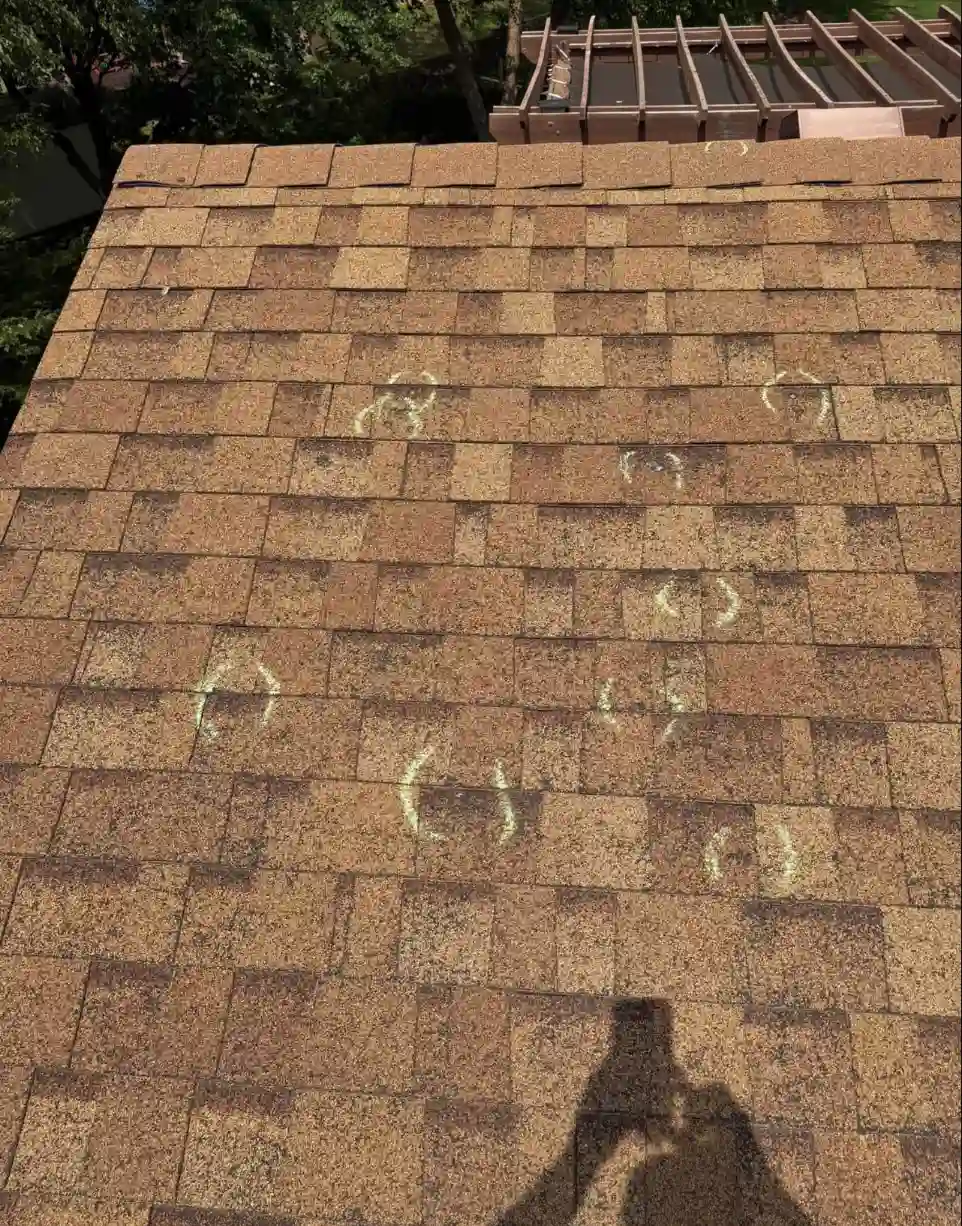
Bismarck, North Dakota roof inspection showing hail damage marked with chalk circles on asphalt shingles by Bismarck Exterior Pros.
01 · Granule Displacement

Granule Loss. The Damage You Can See in Your Gutters.

Asphalt shingles are covered with granules, the small mineral particles embedded in the surface that give shingles their textured appearance and color. These granules serve a critical function. They protect the asphalt layer beneath from ultraviolet radiation. When a hailstone strikes a shingle, the impact displaces granules.

The consequence of granule loss is accelerated aging of the asphalt layer. UV radiation that was previously blocked now contacts the asphalt directly, degrading it and shortening the shingle’s effective service life. A shingle that has lost significant granule coverage from hail impact will fail years sooner than an undamaged shingle of the same age.

Granule accumulation in your gutters and downspouts after a storm is one of the most accessible indicators that significant hail impact has occurred on your roof.
02

Shingle Mat Bruising

This is the most important and least understood form of hail damage, and the one that is completely invisible from the ground. Below the granule surface of an asphalt shingle is the fiberglass or organic mat that provides the shingle’s structural foundation.

When a hailstone strikes with enough force, it fractures or bruises this mat without necessarily creating a visible hole or removing the shingle. From below, the shingle looks intact. From the front, after the granules have settled back into place, it looks normal. Only by pressing the area and comparing the damage pattern to the expected random distribution of natural wear can an inspector identify it.

A bruised mat compromises the shingle’s waterproofing integrity at the impact point. Over time, this pathway allows infiltration that eventually reaches the roof deck below.

03

Impact Marks and Tab Fractures

In more significant hail events, the impact marks become visible as distinct circular or irregular marks on the shingle surface where the granule removal has created a clearly defined bare area. In some cases, particularly on older or more brittle shingles, the tab itself fractures.

Tab fractures create immediate water infiltration pathways. They are also the damage type most clearly attributable to a specific impact event, which matters for insurance documentation.

04

How Hail Damage Worsens Over Time

A roof that has sustained hail damage does not simply stay in the same compromised state indefinitely. The damage worsens through subsequent weather exposure.

A shingle with significant granule loss is now directly exposed to UV radiation. UV degradation progresses faster than normal aging. A shingle with a bruised mat now has a structurally weakened point that responds differently to the next weather event. In Bismarck’s climate specifically, freeze thaw cycling between hail season and the following winter opens the pathway further.

The practical consequence is that hail damage documented and addressed promptly produces a much smaller scope of repair or replacement than the same damage addressed a year or two later.

05

Hail Size and What It Means

Not all hail creates the same level of damage. Small hail, roughly pea to marble size, can displace granules particularly on older shingles. Quarter sized hail is the threshold at which professional inspection becomes strongly advisable regardless of roof age. Golf ball sized hail and above causes widespread visible damage across the full shingle field.

Homeowners often do not know what size hail a specific storm produced in their specific location. This uncertainty is another reason professional inspection after any significant hail event produces more reliable information than a ground level assessment.

06

Shingle Age Changes Everything

The same hailstorm produces meaningfully different results on different roofs. A newer roof with intact granule coverage and a flexible mat absorbs impact better and may show less damage from the same storm.

A mid life roof has some granule wear and reduced mat flexibility. The same hail event may produce more significant bruising. An aging roof with twenty or more years of exposure has significantly reduced granule coverage, a mat that has experienced years of freeze thaw cycling, and flashing and boot components that may already have age related wear. A hail event that would be manageable on a newer roof can push an aging roof from functional to compromised.

07

The Insurance Process

Most standard North Dakota homeowner insurance policies cover hail damage to roofing systems as a covered peril. Whether your specific claim is approved depends on your specific policy terms, the documented damage, your deductible, and how your carrier evaluates the findings.

We inspect the full roof system and photograph everything we find. We provide you with a written condition summary that explains what the storm did to your roof in plain language. This is your documentation before you contact your carrier.

We never guarantee that your claim will be approved. We never tell you that the roof will cost you nothing. We never promise a specific settlement amount. What we do guarantee is thorough, honest documentation of what we find.

08

The Class 4 Upgrade

When a hail event results in roof replacement, the material selection for the new roof is an important decision. This is the moment when upgrading to Class 4 impact resistant shingles makes the most financial sense.

Class 4 is the highest rating under the UL 2218 impact resistance standard for residential asphalt shingles. Class 4 products are engineered specifically to resist the bruising, granule displacement, and mat fracture that standard shingles experience in hail events.

Additionally, many North Dakota insurance carriers offer premium discounts for homes with verified Class 4 installations. The discount varies by carrier and policy structure. Check with your specific carrier about what they offer before your replacement is scheduled.

09

After Hail — Repair or Replacement?

The answer depends on the extent of damage and the overall condition of the roof. Our storm damage roofing page covers the general repair versus replacement decision for storm damage. Here is how it applies specifically to hail.

Hail repair makes sense when damage is concentrated in specific sections, the overall roof system is in good condition, and the shingles that absorbed impact are replaced properly with materials that match the existing system as closely as possible.

Hail triggered replacement makes more sense when damage is widespread across the full shingle field, the roof was already approaching end of its useful service life, or when the hail event pushed an aging roof past the threshold where repair makes long term financial sense. In many of these situations, the insurance carrier’s assessment aligns with replacement as the appropriate scope.

A professional inspection tells you which situation you are in. A ground level assessment does not.

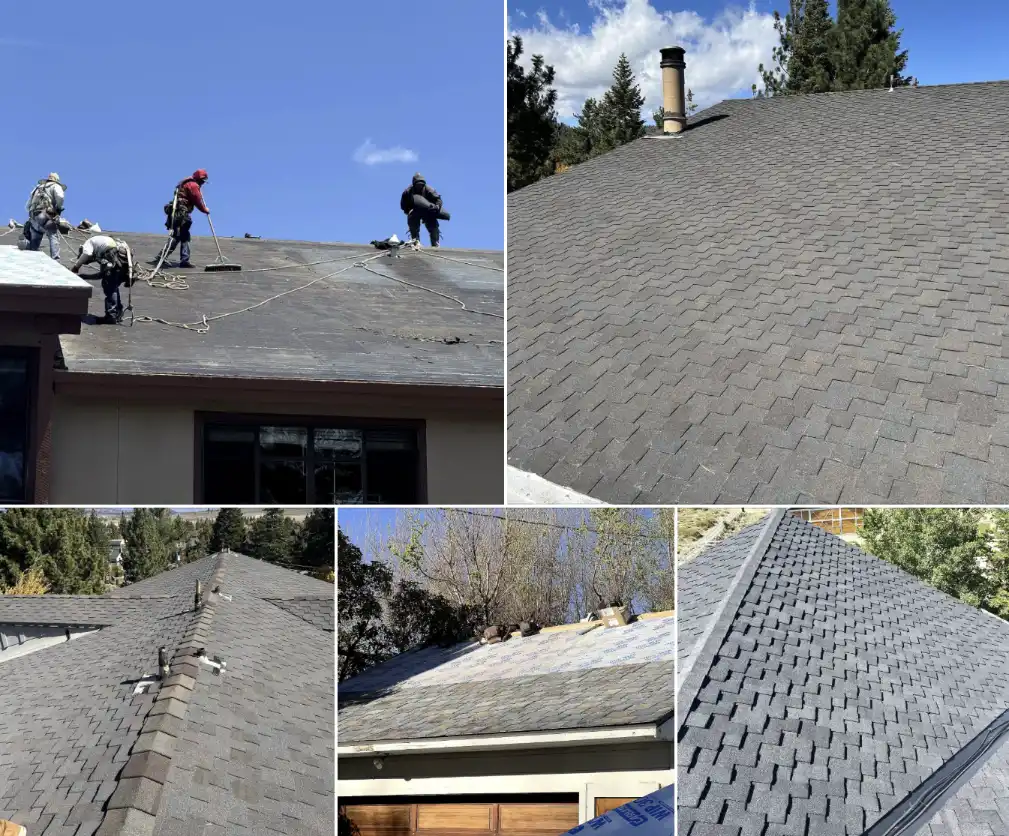
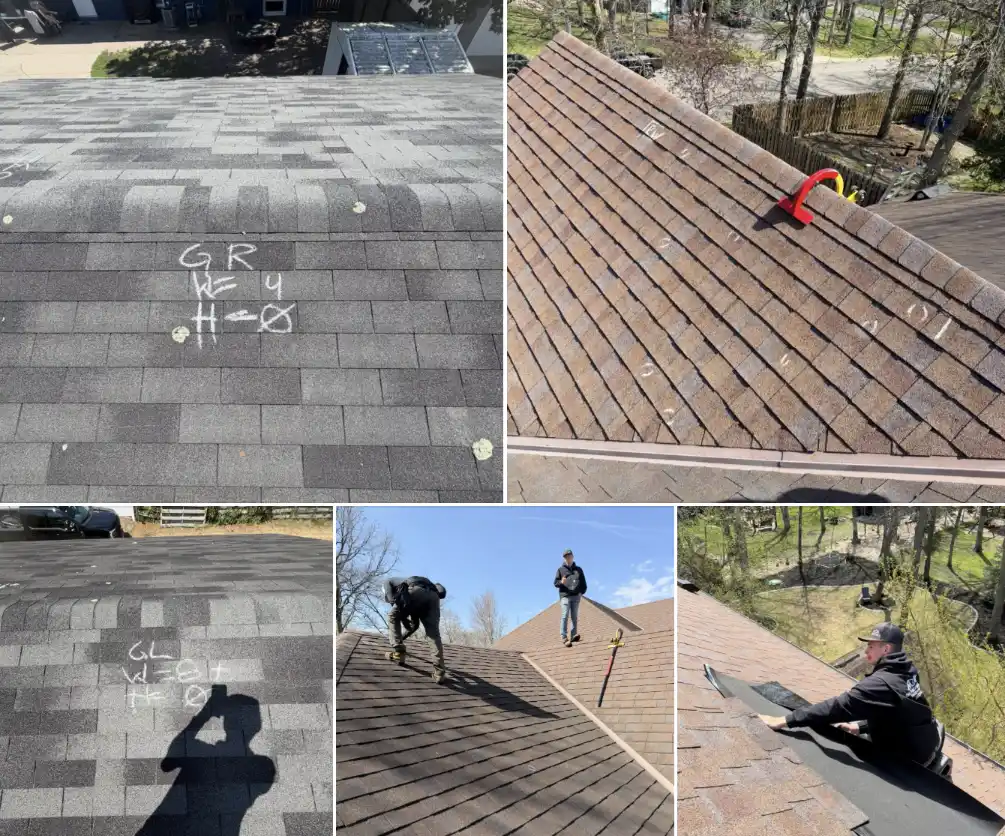
Collage of Bismarck, North Dakota roofers inspecting hail damage on residential roofs, showing chalk-marked shingles and repair work by Bismarck Exterior Pros.

For the full claims context, our storm damage insurance guide covers the process in detail. For Class 4 options and premium discount consideration, our impact resistant roofing page covers the upgrade in detail.

How the Decision Applies Specifically to Hail

The answer depends on the extent of damage and the overall condition of the roof. Our storm damage roofing page covers the general repair versus replacement decision for storm damage.

When Hail Repair Makes Sense

Hail repair makes sense when damage is concentrated in specific sections, the overall roof system is in good condition, and the shingles that absorbed impact are replaced properly with materials that match the existing system as closely as possible.

When Hail-Triggered Replacement Makes Sense

Hail triggered replacement makes more sense when damage is widespread across the full shingle field, the roof was already approaching end of its useful service life, or when the hail event pushed an aging roof past the threshold where repair makes long term financial sense. In many of these situations, the insurance carrier’s assessment aligns with replacement as the appropriate scope.

How You Actually Know

A professional inspection tells you which situation you are in. A ground level assessment does not. Our storm damage roofing page covers the broader decision framework.

What We Do and What We Do Not Promise

Most standard North Dakota homeowner insurance policies cover hail damage to roofing systems as a covered peril. This is the general framework. Whether your specific claim is approved, and what your settlement looks like, depends on your specific policy terms, the documented damage, your deductible, and how your carrier evaluates the findings.

What We Do

We inspect the full roof system. Every section of the shingle field. All soft metal components. Flashing at penetrations and transitions. Ridge and hip details. We photograph everything we find with enough detail to document the pattern and extent of damage clearly.

We provide you with a written condition summary that explains what the storm did to your roof in plain language. This is your documentation before you contact your carrier.

What We Never Promise

We never guarantee that your claim will be approved. We never tell you that the roof will cost you nothing. We never promise a specific settlement amount. These are determinations your insurance carrier makes based on your policy, the documented damage, and their own evaluation process. Anyone who guarantees these outcomes to you before a carrier has evaluated your claim is making a promise they have no basis to make.

What We Do Guarantee

What we do guarantee is thorough, honest documentation of what we find. That is the foundation of a legitimate claim, and it is what a Bismarck homeowner deserves after a hail event. Our storm damage insurance guide covers the full claims process in detail.

What It Means and Why It Matters in Bismarck

When a hail event results in roof replacement, the material selection for the new roof is an important decision. This is the moment when upgrading to Class 4 impact resistant shingles makes the most financial sense.

What Class 4 Actually Is

Class 4 is the highest rating under the UL 2218 impact resistance standard for residential asphalt shingles. Class 4 products are engineered specifically to resist the bruising, granule displacement, and mat fracture that standard shingles experience in hail events. The construction of the shingle mat and the granule bonding system are both more robust than standard architectural shingles.

The Financial Case

In a market where hail events are genuinely frequent, a shingle system that performs meaningfully better against hail impact has a longer effective service life than a standard system in the same exposure environment. The additional cost of Class 4 over standard architectural shingles is meaningful. The difference in performance in this market is also meaningful.

Insurance Premium Discounts

Many North Dakota insurance carriers offer premium discounts for homes with verified Class 4 installations. The discount varies by carrier and policy structure. Some carriers include North Dakota specifically in their impact resistant shingle discount programs. The discount does not eliminate the upgrade cost, but it reduces it on an ongoing basis through reduced premiums. Check with your specific carrier about what they offer before your replacement is scheduled. Our impact resistant roofing page covers Class 4 shingle options and the insurance discount consideration in more detail.

Where We Work After Hail Events

We provide hail damage inspection and repair throughout all of Bismarck, Mandan, Lincoln, and the surrounding communities. Storm tracks do not respect city boundaries, and neither does our service area.

Mandan

For homeowners in Mandan directly across the Missouri River, our roofing services in Mandan page covers coverage specifics.

Lincoln

For Lincoln homeowners, our roofing services in Lincoln page has the details.

Extended Communities

For extended communities throughout Burleigh and Morton County, our service areas page covers the full picture.

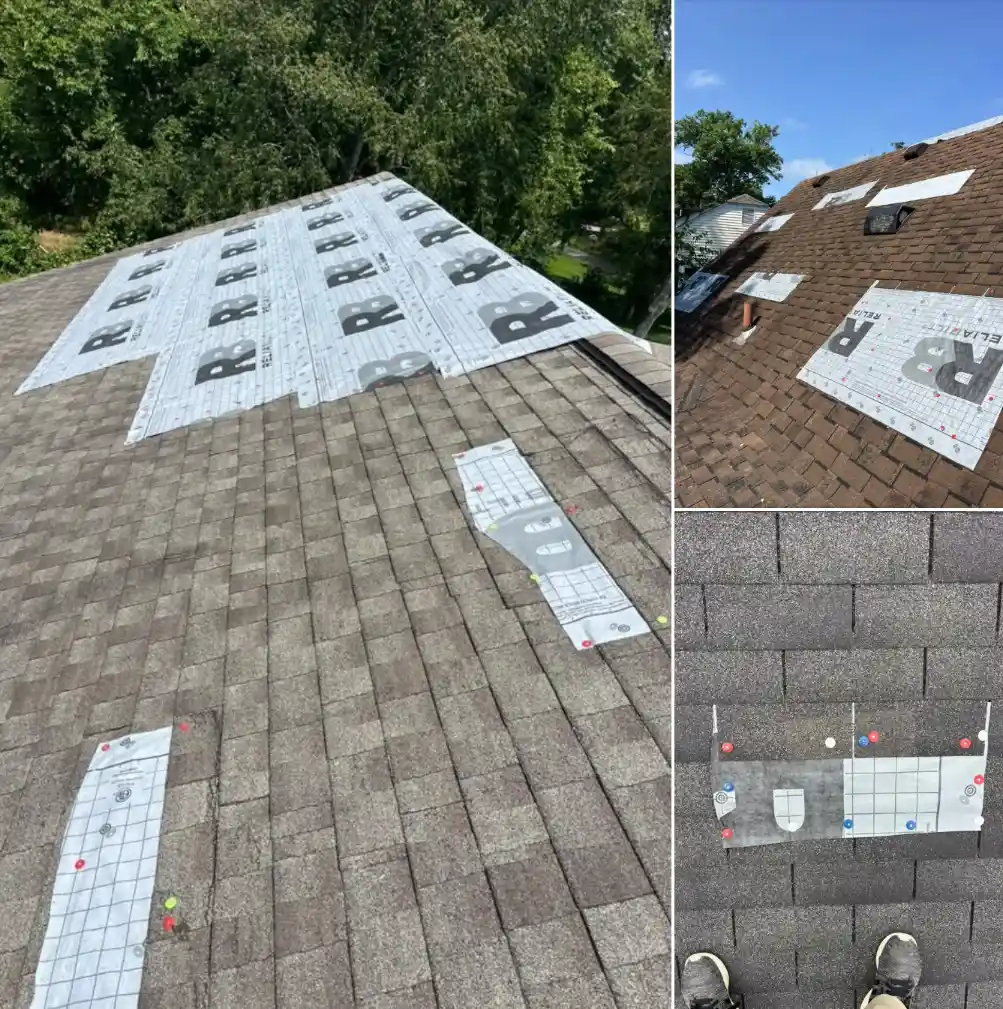
Bismarck, North Dakota roof repair after hail damage, showing temporary underlayment patches and marked areas for shingle replacement by Bismarck Exterior Pros.
  • Honestly, you typically cannot tell from the ground. Granule accumulation in gutters is an accessible indicator, as are dented gutters and soft metal components you can examine from ground level.

    The shingle damage itself, particularly mat bruising, is not visible without getting on the roof and knowing what to look for. A professional inspection after any significant hail event gives you a reliable answer.

  • From a close up roof inspection, hail damage presents as circular or irregular bare areas where granules have been displaced, dark exposed areas of asphalt mat, and soft spots when pressure is applied to the mat surface indicating bruising beneath. On older shingles, tab fractures may also be present.

    The pattern of damage across the shingle field follows the storm track rather than the random distribution of normal wear.

  • Quarter sized hail is a general threshold at which professional inspection is advisable regardless of roof age. Smaller hail can still cause granule loss, particularly on older shingles. Golf ball sized hail almost always causes significant damage across the full exposed shingle field.

    Hail size alone is not the only variable. Velocity, wind direction, and the age and condition of the existing shingles all affect the extent of damage from any given storm.

  • Functional hail damage compromises the shingle’s ability to protect the structure below it. Bruised mats, significant granule loss, tab fractures, and damaged penetration seals are functional damage.

    Cosmetic damage, such as minor surface marking without mat compromise, affects appearance without affecting waterproofing performance. Insurance policies vary in how they treat cosmetic versus functional damage. A professional inspection with thorough documentation gives your carrier the information they need to make this determination based on actual findings.

  • Standard practice under most North Dakota homeowner policies is one year from the date of the storm event. Waiting to see if a problem develops risks missing this window.

    Granule loss evidence also washes away with subsequent rain, making documentation harder over time. Getting an inspection done promptly after a hail event preserves your options.

  • Most standard North Dakota homeowner policies cover hail as a named peril. Whether your specific claim is approved depends on your policy terms, the documented damage, your deductible structure, and your carrier’s evaluation.

    We document legitimate damage thoroughly. We never guarantee claim approval or specific settlement amounts.

  • It depends on the extent of damage and the overall condition of the roof. Widespread damage across the full shingle field on a roof approaching end of service life typically points toward replacement. Concentrated damage on an otherwise sound roof may point toward repair.

    A professional inspection gives you the documented information to make this decision accurately.

  • Class 4 shingles carry the highest UL 2218 impact resistance rating. They resist the bruising, granule loss, and mat fracture that standard shingles experience in hail events. In Bismarck’s active hail market, the performance difference is genuine.

    Many North Dakota carriers also offer premium discounts for verified Class 4 installations. If your roof needs replacement after a hail event, it is worth discussing the Class 4 option with your contractor and your carrier before the project is finalized.

Schedule Your Hail Damage Roof Inspection

Call Bismarck Exterior Pros for Hail Damage Roof Inspection in Bismarck.

A hailstorm went through your area. Your roof may look fine from the driveway. It may genuinely be fine. Or it may have damage that is actively shortening its service life and that supports a legitimate insurance claim while your filing window is still open.

There is only one way to know. A professional gets on the roof, examines the actual condition of the shingle field, documents what the storm did, and gives you a clear honest picture. That is what we do. No pressure. No guarantees we cannot keep. No forms. Just a call and a straight assessment of what the storm actually did to your roof.

  • Licensed & Insured
  • 5+ Years Local Experience
  • Full Photo Documentation
Call now to schedule your hail damage roof inspection.
Talk to a Local Roofer