3205 E Thayer Ave, Bismarck, ND 58501
+1 (701) 807-8088
Mon–Fri: 7:00 AM–6:00 PM
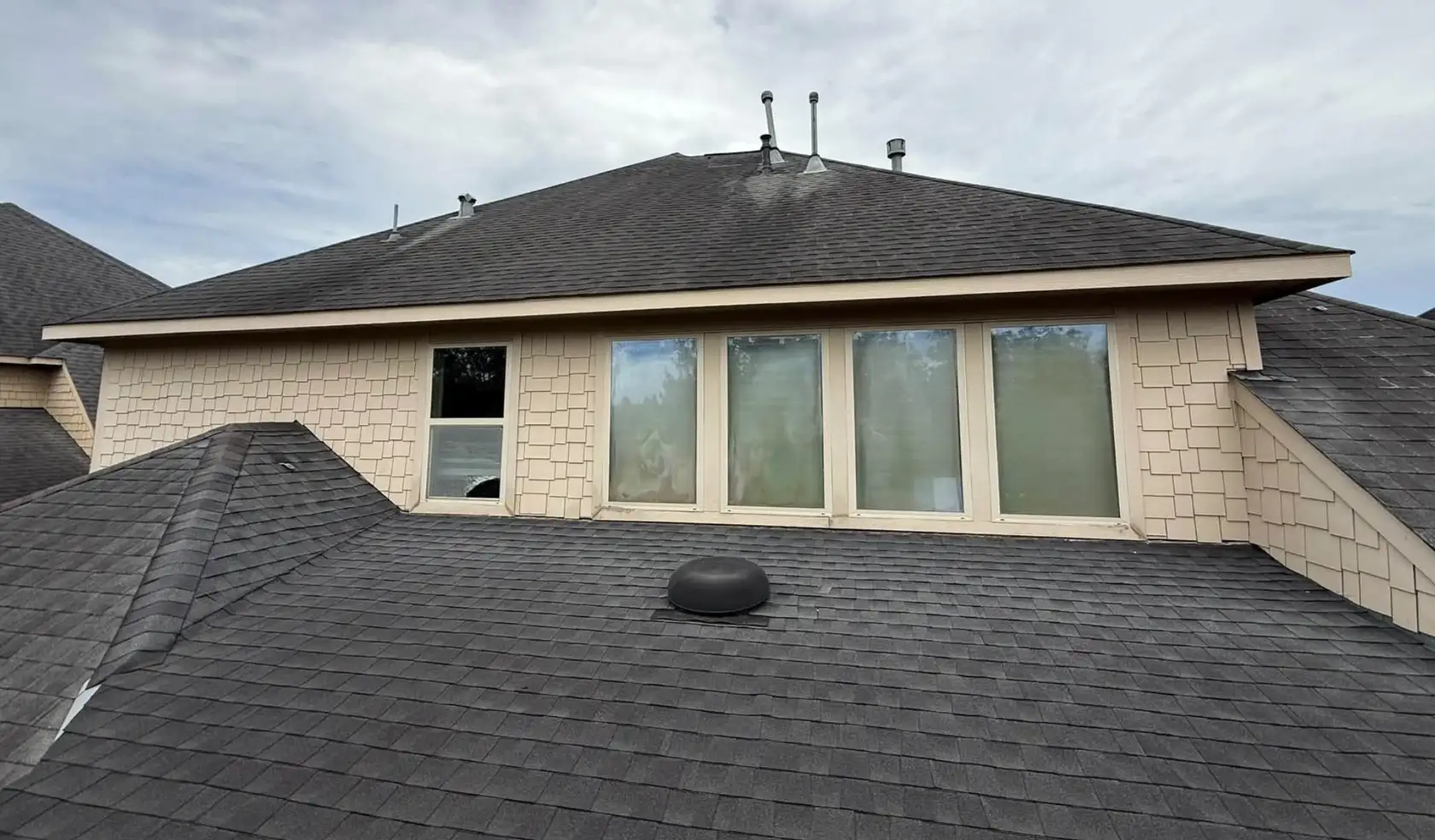
Exterior roof inspection of a Bismarck, North Dakota home
Winter Prep · Storm Claims · Real Estate
Bismarck’s Local Roof Inspection Professionals

Roof Inspection in Bismarck, ND

Know What You’re Actually Dealing With

Most roofing problems build quietly where you cannot see them — until something shows up indoors. Bismarck Exterior Pros inspects every component of your roof, documents findings with photos and written notes, and gives homeowners, buyers, sellers, and property managers across Bismarck, Mandan, and Lincoln a plain-language picture of actual roof condition.

Serving Bismarck, Mandan & Lincoln
Written ReportWith Photos
ComponentBy Component
5+ YearsLocal Experience

Inspection Triggers

When Should You Schedule a Roof Inspection in Bismarck?

There are several distinct situations where a professional inspection is the right call. Each one has a specific reason behind it.

Inspection Timing Check
Form BEP–04 Page 1 of 1
01 Weather Events
Post-Storm & Pre-Winter
  • After any significant storm event. If a significant hailstorm or wind event has affected your area, an inspection before you contact your insurance carrier gives you documented evidence of what actually happened to your roof.

  • Before winter. This is the inspection timing that Bismarck homeowners most often skip, and it is the one that would save the most headaches. A late fall inspection identifies ventilation weaknesses, failing seals, and any areas where the roof system has vulnerabilities that winter conditions will exploit.

02 Age & Transactions
Lifecycle & Real Estate
  • When your roof is approaching 15 to 20 years old. Asphalt shingle roofs in North Dakota’s climate typically begin showing meaningful deterioration in this age range. An inspection gives you a documented baseline for where the roof stands.

  • Before purchasing a home. A general home inspection includes a brief roof component, but that component is typically limited. A specialist roofing inspection before closing gives you specific, documented information about the roof’s condition.

  • Before listing a home for sale. A roof inspection before you put your home on the market tells you what a buyer’s inspector is likely to find. If there are issues, you can address them on your own timeline.

03 Portfolio & Ongoing
Managers & Investors
  • When you manage multiple properties. Property managers and real estate investors operating multiple properties in the Bismarck area have a specific need for systematic roof inspections. Knowing the condition and remaining service life of roofs across a portfolio allows for informed budgeting and proactive maintenance scheduling.

  • Before another hail season arrives. If a spring or summer storm event affects your area and you never had the roof checked, that inspection window has passed. Getting ahead of the next season with a documented condition baseline keeps you in the strongest position.

For a detailed look at how Bismarck’s climate affects roofing material lifespan, our roof lifespan in North Dakota guide covers the key variables.

Field Notes · What We Examine

What a Professional Roof Inspection Covers.

A thorough roof inspection in Bismarck examines every component of the roofing system. Here is what that looks like in practice.

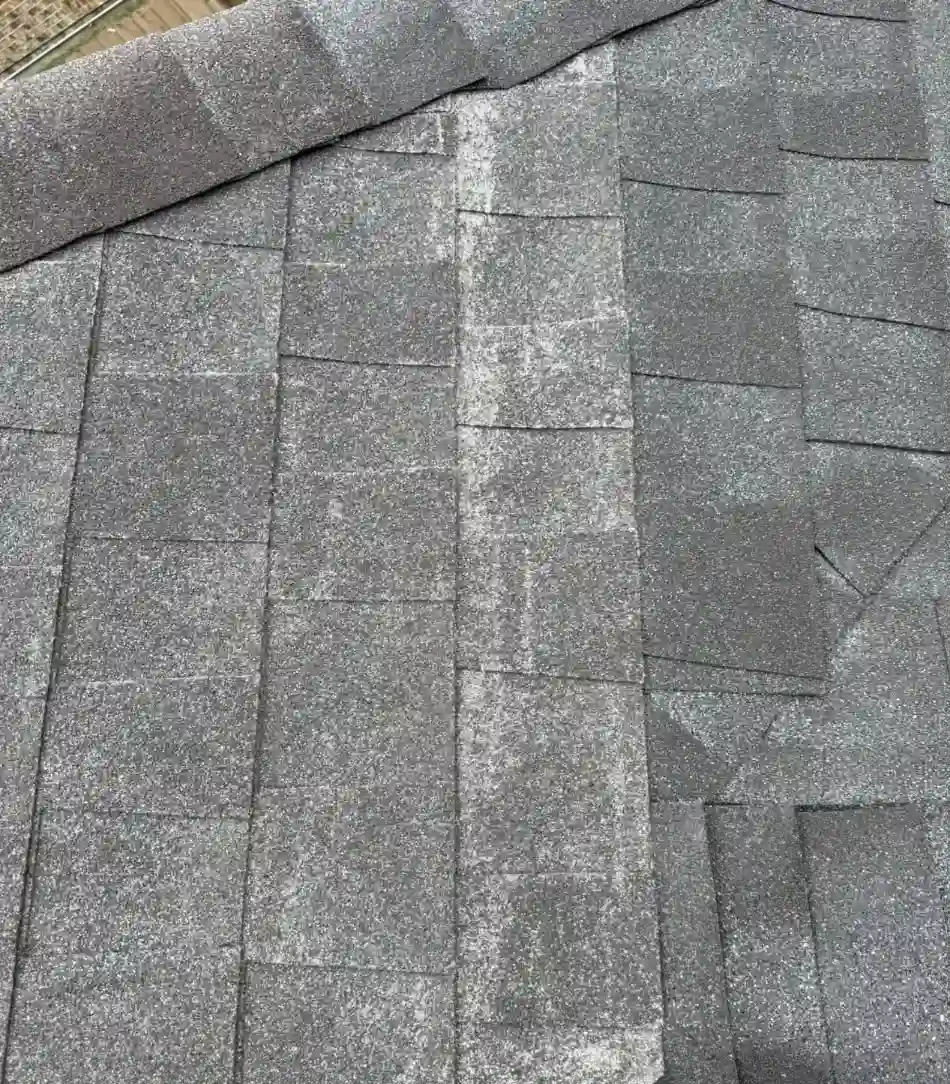
Close-up of asphalt shingle roof showing wear and granule loss during a Bismarck, North Dakota roof inspection by Bismarck Exterior Pros.
01 · The Shingle Field

Walked Section By Section. Documented In Detail.

We walk the roof in sections, examining the condition of the shingle field systematically. We look at granule coverage and any areas of displacement or loss. We check for curling, cupping, cracking, or brittleness that indicates aging materials.

We look for hail impact marks, bruising patterns, and the condition of the shingle mat beneath the granule surface. We note lifted tab edges that indicate broken adhesive bonds from wind exposure. We check where the shingle field meets edges, ridges, hips, and valleys.

This is the component of the roof most people think about first. It is important. But it is only one part of the system.

02

Flashing at All Transitions and Penetrations

Flashing is the metal that seals every point where your roofing material meets something else. Chimneys. Dormers. Skylights. Wall transitions. Roof valleys. Every pipe, vent, or mechanical penetration through the deck.

We inspect every flashing location on the roof. We check for separation, corrosion, improper installation, and failed sealant joints. Flashing failure is the leading cause of roof leaks on Bismarck homes, partly because Bismarck’s freeze thaw cycling puts metal under repeated thermal stress. A flashing seal that holds in summer can open during the first hard freeze.

03

Roof Valleys

Valleys are where two roof planes meet. They concentrate water flow from large sections of the roof into a narrow channel. They wear faster than flat sections and are particularly vulnerable to damage in hail events and ice dam formation during winter.

We inspect valley condition, the valley flashing or open valley material, and any signs of wear, cracking, or impact damage.

04

Pipe Boots and Vent Penetrations

Every plumbing vent stack that exits through your roof deck has a boot around it, typically rubber or lead that forms a watertight seal. Rubber boots have a finite service life. Bismarck’s UV exposure in summer combined with freeze thaw cycling accelerates that deterioration.

We inspect every pipe boot on the roof. A cracked or hardened boot is one of the most common sources of active leaks we find during inspections, and it is one of the most straightforward components to address when caught before it fails completely.

05

Ridge, Hip, and Rake Details

Ridge cap shingles sit at the peak of the roof and take wind and hail pressure from multiple directions. Hip sections and rake edges along the roof perimeter are also high exposure areas.

We check all of these for proper fastening, adhesive condition, and any impact or wind damage. These are the areas that take the highest wind uplift stress on a typical Bismarck roof.

06

Attic Moisture & Ventilation

The attic tells part of the story that the exterior cannot. We check the attic for signs of moisture infiltration, daylight visible through the decking, compressed or stained insulation, and frost patterns on the sheathing in cold months. All of these indicate that something has been getting in.

We also assess ventilation from the attic interior. The relationship between soffit intake ventilation and ridge exhaust is what regulates attic temperature and moisture year round. Inadequate attic ventilation is a direct contributor to ice dam formation in winter and premature shingle aging from heat buildup in summer.

07

Gutters and Drainage Components

While gutters are not part of the roofing system itself, they affect how water leaves the roof.

We note gutter condition and any signs of granule accumulation from the shingle field, which tells us something about the rate of shingle wear. We check drip edge installation and whether water is being directed away from the structure properly.

08

Written Report With Photo Documentation

Everything we find gets documented. Photographs of each area of concern. Written notes describing the location, nature, and significance of any findings. A summary of the roof’s overall condition. And a plain language explanation of what the findings mean for the roof’s performance and your next steps.

You keep this report. It is yours. It documents the condition of your roof at a specific point in time, which matters for insurance purposes, maintenance planning, real estate transactions, and any future repair or replacement decisions.

09

Why a Roof Inspection Is Different From a Quick Look

Here is something worth clarifying upfront because there is real confusion about this. A roof inspection is not a contractor stopping by to sell you something. It is not a five minute scan from a ladder to identify the most obvious problem so a repair can be quoted. And it is not the same as the brief roof component that comes with a general home inspection during a real estate transaction.

A proper roofing inspection is a methodical, component by component evaluation of the full roofing system conducted by someone who gets on the roof and knows what to look for at each location. It produces documented findings, photographic evidence, and a clear assessment of the roof’s condition. You walk away knowing what you are actually dealing with.

In our experience, the homeowners who have the best outcomes in Bismarck’s climate, whether they end up repairing, replacing, or just maintaining, are the ones who make decisions based on a real inspection rather than guesswork, a quick opinion, or waiting to see whether something gets worse.

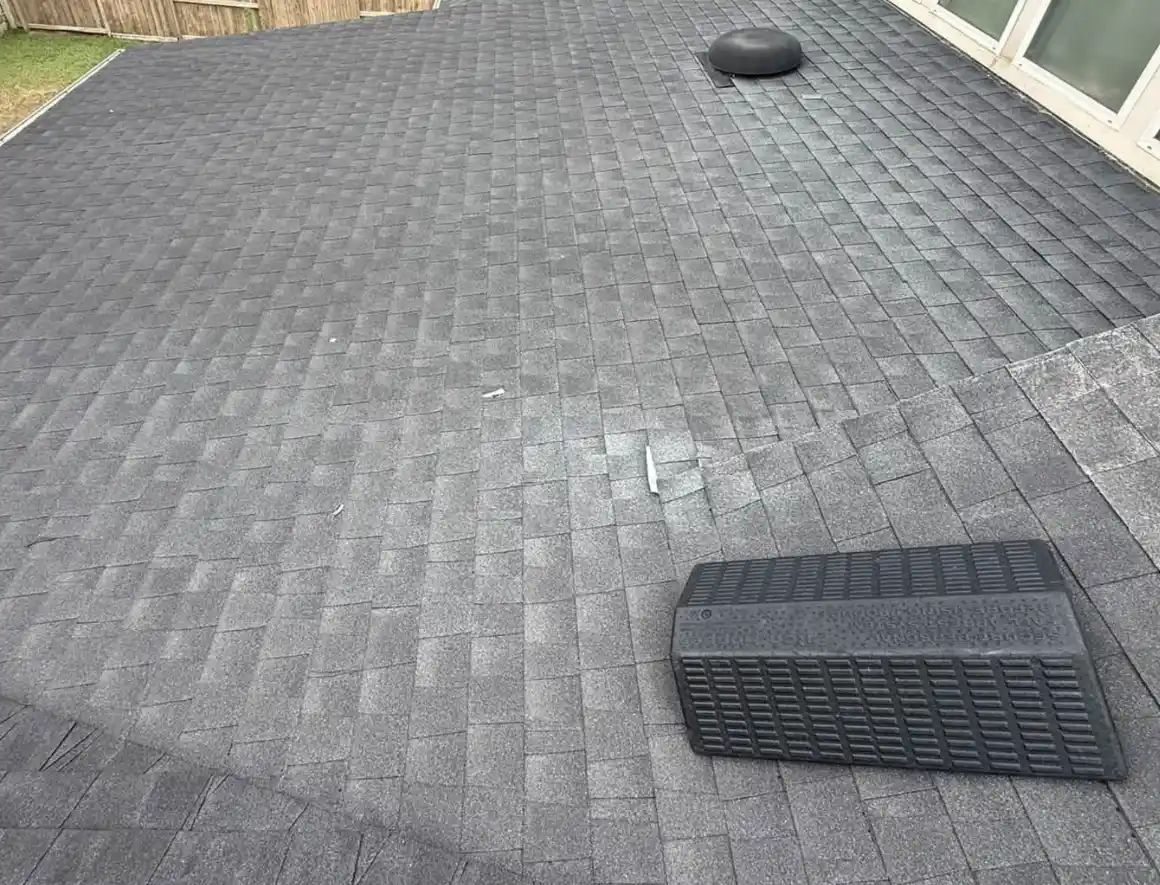
Bismarck, North Dakota roof inspection of asphalt shingles and roof vent on a residential home by Bismarck Exterior Pros.

For a closer look at how ventilation affects the roof system, our roof ventilation page covers the connection in detail.

A Documented Record You Keep

We think it is worth explaining what you actually receive after an inspection because this is where different contractors diverge significantly.

What Is In the Report

Our inspection report includes dated photographs of every area of the roof we examined, with specific photos of any findings that require attention. Each finding is described in plain terms: what it is, where it is located on the roof, and what it means for the roof’s performance. The overall condition of the roof is summarized clearly.

And we provide a recommendation. Either the roof is currently performing adequately and should be monitored, or specific maintenance or repair is recommended, or the roof is approaching or past the point where replacement makes sense to plan for.

Why It Matters

You receive a written document you can refer to later. Not a verbal summary you have to try to remember. Not a quote for work before a real evaluation has happened. A documented record of your roof’s condition at a specific point in time.

This matters practically in several situations. For insurance purposes, a documented inspection creates a baseline that can support a future storm claim by showing the condition of the roof before the event. For real estate transactions, it gives buyers and sellers a shared documented reference. For maintenance planning, it gives you a starting point to track changes over time.
What You Can See and What You Cannot

We get asked sometimes whether a homeowner can inspect their own roof. The honest answer is that you can look at some things from the ground or a ladder, and doing so is genuinely useful for catching obvious problems. Shingles visibly missing or clearly displaced. Gutters full of granules. Visible dents in metal components after a hail event.

What You Cannot Reliably Assess

What a homeowner cannot reliably assess from the ground or even from a ladder position includes the condition of the shingle mat beneath the granule surface, the seal integrity of tab edges across the full shingle field, the condition of flashing seals at every penetration point, ice dam vulnerability indicators in the attic, and the full range of hail impact evidence that an adjuster will look for during a storm claim inspection.

The Things That Matter Most

In our experience, the things homeowners miss most consistently are exactly the things that turn into expensive problems. A cracked pipe boot. A chimney flashing that has separated slightly during freeze thaw cycling. An area of granule loss that indicates a bruised mat from last summer’s hail event. None of these are visible from a driveway. All of them matter for the roof’s ongoing performance.

Where We Inspect Across the Metro

We conduct roof inspections throughout all of Bismarck and extend across the full Bismarck Mandan metro area.

Mandan

Mandan homeowners across the Missouri River are a regular part of our inspection work. For specific coverage in Mandan, our roofing services in Mandan page covers the details.

Lincoln

Lincoln, growing southeast of Bismarck, is also regularly in our service area.

Commercial Properties

For commercial properties and investment properties, we inspect both residential and commercial roofing systems. Commercial flat and low slope roofs require specific inspection methodology, particularly around seam condition, drainage, and membrane integrity. Our commercial roofing page covers commercial specific inspection needs. For extended communities throughout Burleigh and Morton County, our service areas page has full coverage information.

How Long, When, and Then What

How Long an Inspection Takes

For most residential properties, an inspection is typically completed within an hour or so. The time varies depending on the size and complexity of the roof and whether attic access is needed. We communicate what to expect when we schedule.

What Happens After the Inspection

You receive a clear explanation of what we found and what it means. If the roof is in good condition, we tell you that and suggest when to inspect again. If repair is indicated, we explain specifically what needs attention and can provide an estimate. If the roof is approaching end of life or has widespread damage, we walk through replacement options.

Nothing moves forward without your understanding and decision.

Best Time for a Routine Inspection

At minimum, once a year as routine maintenance. Additionally, after any significant hail or wind storm event, and before winter as a proactive check for ventilation weaknesses and any areas vulnerable to ice dam formation. Our best time to replace roof in North Dakota guide covers seasonal timing considerations in more detail.

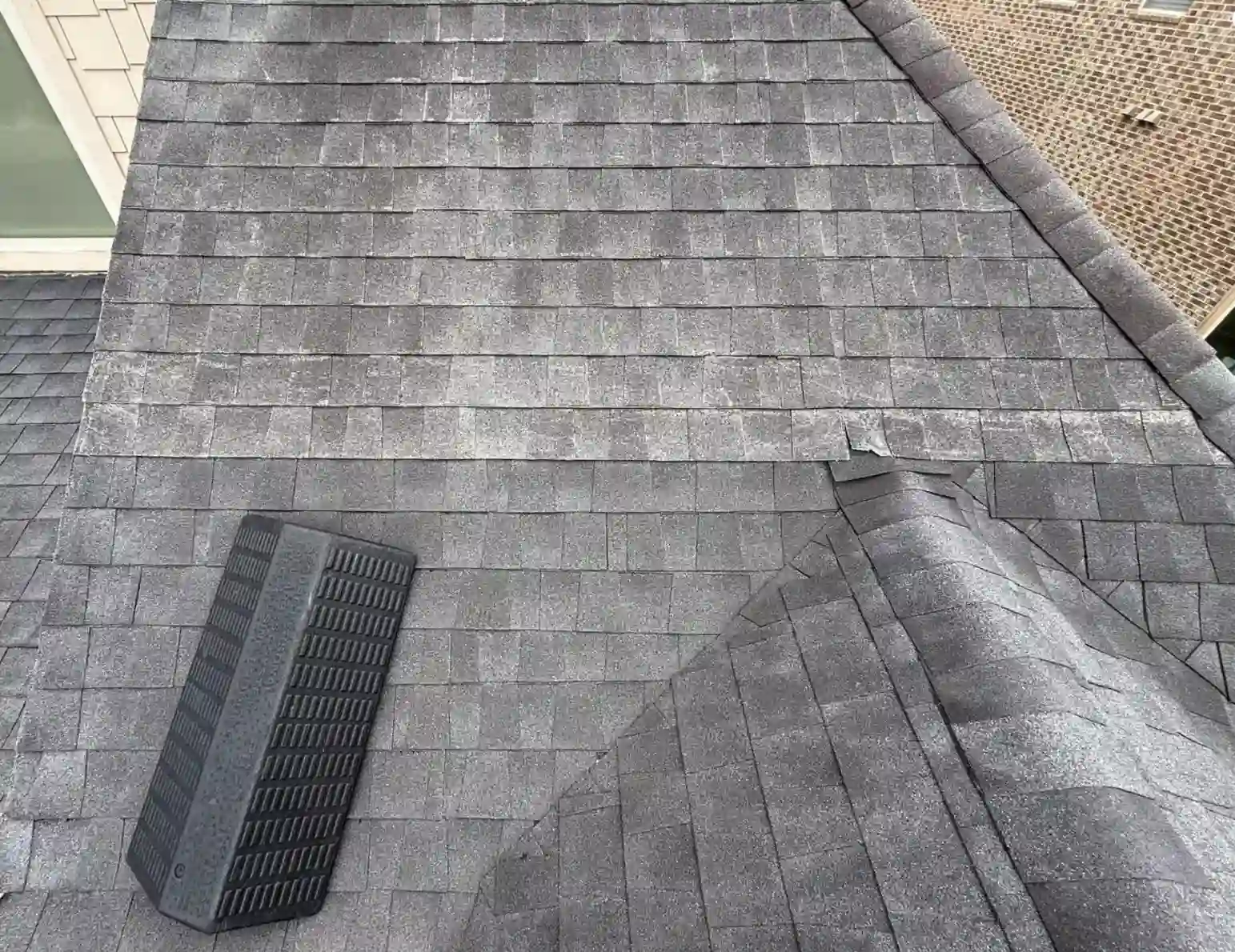
Close-up of asphalt shingle roof showing granule loss and wear during a Bismarck, North Dakota roof inspection by Bismarck Exterior Pros.
  • A professional inspection examines the full roofing system: shingle field condition and granule coverage, flashing at all penetrations and transitions, valley condition, pipe boots and vent seals, ridge and hip details, attic moisture and ventilation, and drainage components. You receive a written report with photographs documenting all findings.

  • At minimum, once a year as routine maintenance. Additionally, after any significant hail or wind storm event, and before winter as a proactive check for ventilation weaknesses and any areas vulnerable to ice dam formation.

    Our best time to replace roof in North Dakota guide covers seasonal timing considerations in more detail.

  • We recommend it strongly. A general home inspection includes a brief roof component but does not provide the depth of examination that a specialist roofing inspection does. Given Bismarck’s active hail and storm history, having a dedicated roof inspection before closing gives you specific, documented information about the roof’s condition that protects your purchase decision.

  • For most residential properties, an inspection is typically completed within an hour or so. The time varies depending on the size and complexity of the roof and whether attic access is needed. We communicate what to expect when we schedule.

  • Our reports include dated photographs of every examined component, written descriptions of any findings with their location and significance, an overall condition summary, and a clear recommendation. You receive the report as a documented record you can reference and keep.

  • You can observe visible conditions from the ground and identify obvious problems. What you cannot reliably assess without getting on the roof and knowing what to look for includes hail mat bruising, broken tab seal conditions, flashing integrity at every penetration, and attic indicators of ice dam vulnerability.

    These are the things that matter most in Bismarck’s climate and that show up in repair and replacement conversations.

  • You receive a clear explanation of what we found and what it means. If the roof is in good condition, we tell you that and suggest when to inspect again. If repair is indicated, we explain specifically what needs attention and can provide an estimate. If the roof is approaching end of life or has widespread damage, we walk through replacement options.

    Nothing moves forward without your understanding and decision.

  • Yes. We inspect both residential and commercial roofing systems in the Bismarck market. Commercial flat and low slope roofs require specific inspection methodology around seam integrity, drainage design, and membrane condition.

    Our commercial roofing page covers commercial specific inspection and maintenance needs.

Schedule Your Roof Inspection

Call Bismarck Exterior Pros for Your Roof Inspection.

You do not need to wait for a ceiling stain or a missing shingle to find out what condition your roof is in. A professional inspection tells you where you stand before a problem forces the conversation.

We inspect thoroughly. We document honestly. We tell you what we found in plain terms and what it means for your roof. Whether you are a homeowner wondering how your roof handled last summer’s hail, a buyer about to close on a Bismarck property, or a property manager trying to stay ahead of maintenance across multiple buildings, an inspection is the right starting point. No pressure. No forms. Just a straight conversation and a documented picture of your roof’s actual condition.

  • Licensed & Insured
  • 5+ Years Local Experience
  • Written Report With Photos
Call now to schedule your roof inspection.
Talk to a Local Roofer