
3205 E Thayer Ave, Bismarck, ND 58501
+1 (701) 807-8088
Mon–Fri: 7:00 AM–6:00 PM
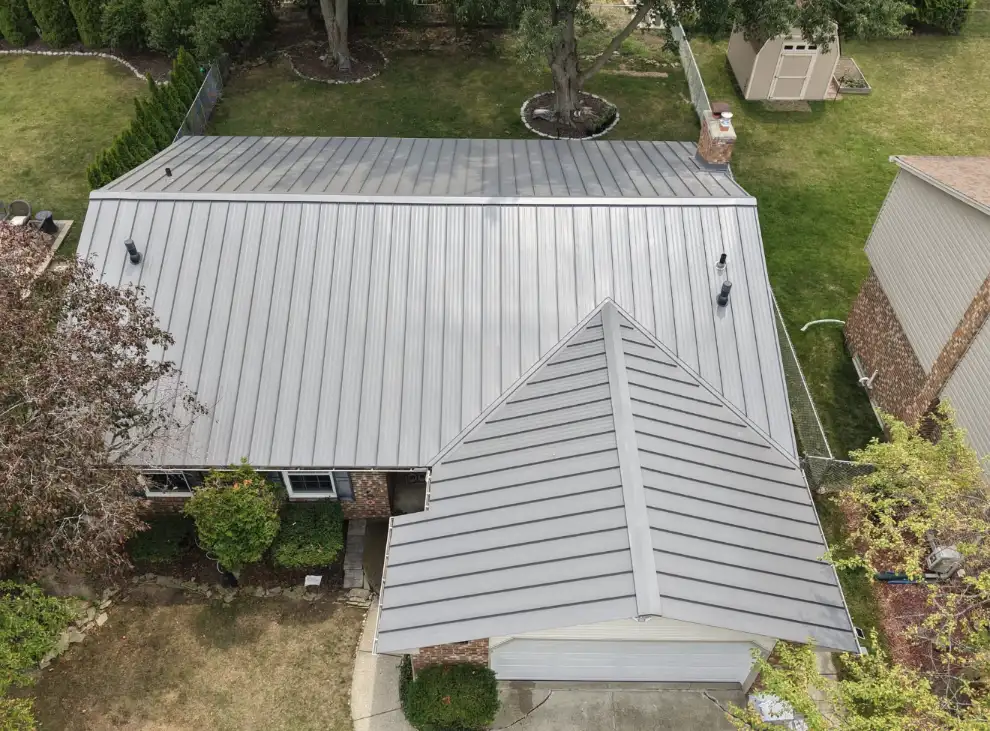
Metal roofing installation aerial view in Bismarck, North Dakota
Snow Shedding · Hail · Wind · Thermal Cycling
Bismarck’s Local Metal Roofing Professionals

Metal Roofing in Bismarck, ND

Long Term Performance for North Dakota Conditions

Bismarck’s hail corridor, Arctic winters, sustained wind, and dramatic temperature swings are genuinely hard on roofing. Bismarck Exterior Pros installs standing seam and steel panel metal roofing systems from trusted manufacturers for homes and businesses across Bismarck, Mandan, and Lincoln — built to shed snow, resist hail impact, and outlast asphalt.

Serving Bismarck, Mandan & Lincoln
Standing Seam& Steel Panel
Decades ofService Life
5+ YearsLocal Experience

Climate Fit

Why Metal Roofing Makes Sense in Bismarck’s Specific Climate.

The case for metal roofing in Bismarck is not generic. It is tied directly to the specific weather challenges this market produces.

Metal Roof Climate Performance Audit
Form BEP–09 Page 1 of 1
01 Winter Conditions
Snow & Ice Performance
  • Snow shedding. A standing seam metal roof sheds snow far more effectively than a textured asphalt shingle surface. The smooth, low friction surface of metal allows snow to slide off rather than accumulate. Less snow accumulation means less sustained weight on the roof structure and less opportunity for the freeze thaw cycling at the snow and shingle interface that contributes to ice dam formation.

  • Ice dam performance. Metal roofing performs differently than asphalt in ice dam conditions for two reasons. The smoother surface and better snow shedding behavior mean there is often less snow accumulation to melt in the first place. Second, a metal surface does not provide the same porous pathway for water infiltration that a compromised asphalt shingle does when water backs up behind an ice ridge.

02 Hail Performance
Impact Behavior
  • Metal is a harder material than asphalt shingle. A hailstone that bruises an asphalt shingle mat, displaces granules, and compromises the waterproofing of that point does different damage to a metal panel. Metal dents under significant hail impact. Denting is visible. But a dented metal panel that retains its seam integrity typically continues to perform its waterproofing function.

  • An asphalt shingle with hail mat bruising continues to lose granule coverage through subsequent weather events, accelerating UV degradation and shortening the shingle remaining service life. A metal panel with a hail dent does not degrade from that impact point in the same progressive way. This distinction matters in Bismarck’s active hail market.

03 Longevity
North Dakota Extremes
  • The freeze thaw cycling, UV exposure, and hail frequency that shorten asphalt shingle service life in this market do not affect metal in the same ways. Metal does not absorb moisture and freeze. It does not lose granules. It does not crack from freeze thaw stress at penetration points the way rubber boots and asphalt materials can.

  • A properly installed standing seam metal roofing system in this climate typically performs for significantly longer than any asphalt shingle system. The exact service life depends on material quality, installation quality, maintenance, and the specific weather exposure of the individual property.

For the full material comparison, our roofing materials guide covers asphalt shingle options, Class 4 impact resistant shingles, and metal roofing in the context of North Dakota’s climate.

Field Notes · System Types

The Two Main Types of Metal Roofing and What the Difference Actually Means.

Most homeowners researching metal roofing encounter the terms standing seam and exposed fastener without a clear explanation of what distinguishes them in practice. The distinction matters for performance, longevity, and maintenance, particularly in Bismarck’s climate.

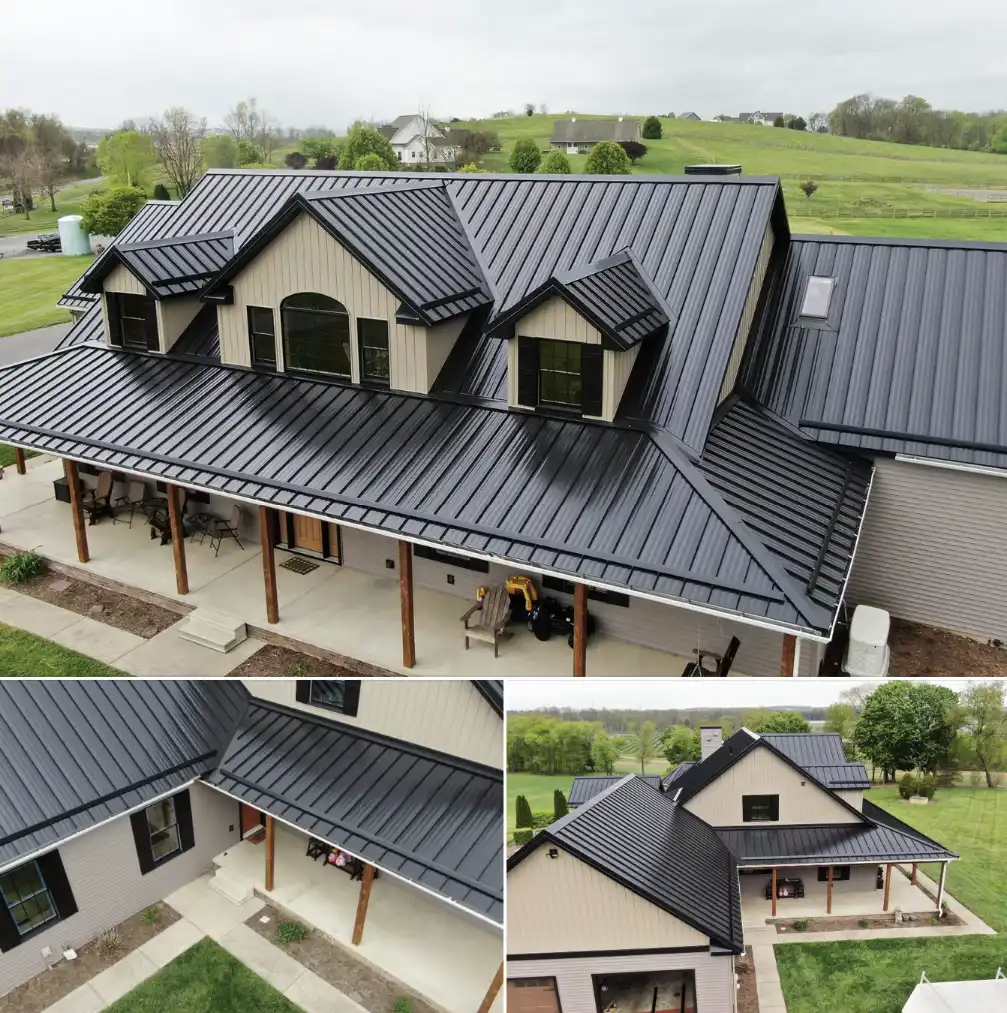
Collage of a Bismarck, North Dakota home with a new black metal standing seam roof, showing exterior views and close-up roof details by Bismarck Exterior Pros.
01 · Standing Seam

Concealed Fasteners. Clean Lines. Decades of Service.

Standing seam is the metal roofing system most commonly specified for residential applications where long service life and premium performance are the priorities. In a standing seam system, the metal panels interlock at raised vertical seams. All fasteners are concealed beneath the panel connection. Nothing penetrates the visible face of the panel. The panels are attached to the roof structure using hidden clips that allow the metal to expand and contract freely as temperatures change.

This concealed fastener and clip design is significant in Bismarck’s climate specifically. The temperature range between a January night at minus twenty degrees Fahrenheit and a July afternoon at ninety five degrees represents an extreme thermal cycling environment. Metal expands as it warms and contracts as it cools. In a standing seam system designed with expansion clips, this movement occurs freely without stressing the attachment points or the panel material.

The appearance of standing seam is clean, architectural, and modern. It reads as a premium system because it is one.
02

Exposed Fastener Metal Panels

Exposed fastener panels, sometimes called through fastened panels, use screws that penetrate directly through the face of the metal panel into the roof structure. The screw heads are visible on the finished roof surface. Each screw includes a rubber washer that creates a seal at the penetration point.

These systems are less expensive to install than standing seam. They are commonly used in agricultural, light commercial, and some residential applications. The primary maintenance consideration is the rubber washers at each fastener location. Over time, those washers can degrade from UV exposure and the same freeze thaw cycling that challenges all materials in Bismarck’s climate.

The thermal movement challenge with exposed fastener systems is also more significant than with standing seam. Because the fasteners penetrate the panel directly, the panel cannot move as freely during thermal cycling. For most residential applications in Bismarck where metal roofing is chosen for long term performance and minimal maintenance, standing seam is the system we most commonly recommend.

03

The Lifecycle Cost Comparison

The honest conversation about metal roofing always involves upfront cost. Metal costs more to install than asphalt. That is true and worth acknowledging directly. The relevant comparison is not the upfront cost in isolation. It is the cost of owning each system over the expected period of ownership of the home.

An asphalt shingle system in Bismarck’s climate may require replacement every fifteen to twenty five years, depending on material quality and weather exposure. A standing seam metal system installed correctly may serve the building for decades beyond that range with minimal maintenance intervention.

When you calculate the cost of two or three asphalt replacements over the period during which a metal roof is still performing, the lifecycle cost comparison looks meaningfully different than the upfront cost comparison. We present this comparison honestly because we believe homeowners make better decisions with accurate information.

04

Metal Roofing Manufacturers We Work With

We install steel panel systems from manufacturers with genuine performance records in cold climates and demanding weather environments. Bridger Steel and Central States are among the manufacturers whose products we specify for Bismarck area installations.

These are not generic metal systems. They are engineered products with specified gauges, coating systems, and performance warranties designed for the range of conditions this market produces. The coating quality on a metal panel affects its long term appearance and corrosion resistance. The gauge of the steel affects its resistance to hail denting and structural loading. We specify products appropriate for this climate, not the lightest or least expensive option available.

05

Common Misconceptions We Hear

“Metal roofing is too loud.” This is the most persistent misconception about metal roofing. A properly installed metal roof with appropriate underlayment and insulation beneath it is not significantly louder than an asphalt shingle roof during rain or hail. The noise concern comes from agricultural metal roofing installed over open framing, like a barn or shed, where there is no insulation barrier between the metal and the interior.

“Metal roofing attracts lightning.” Metal is conductive, but that property does not make a metal roof more likely to be struck by lightning than any other roof material. Lightning strikes the highest point in an area regardless of material. Metal’s conductivity is actually an advantage if a strike does occur, as metal safely dissipates the electrical charge rather than igniting.

“Metal roofing is only for commercial or agricultural buildings.” Metal roofing for residential applications has grown significantly in this market and throughout North Dakota. Modern standing seam metal systems are specified explicitly for residential use and are available in a range of profiles, colors, and finishes suited to residential aesthetics.

“Metal roofing is too expensive to make sense.” It depends entirely on how you evaluate the cost. Upfront, yes, metal costs more than asphalt. Over the expected service life of the system in this climate, the comparison is less clear cut than it first appears. The right answer depends on your specific ownership situation, which we are happy to discuss honestly.

06

Metal Roofing for Commercial Applications in Bismarck

Metal roofing is a natural fit for steep slope commercial applications in this market. Apartment complexes, retail buildings with architectural steep slope sections, churches, and institutional buildings with pitched rooflines all benefit from the same performance advantages that make metal attractive for residential use.

For low slope and flat commercial roofing, the relevant systems are membrane based rather than metal panel, and we covered those on our commercial roofing page. Metal panel systems are appropriate for steep slope commercial applications where the roof geometry allows for proper drainage.

What to Expect During a Metal Roofing Installation. Metal roofing installation requires specific expertise and techniques that differ from asphalt shingle installation. This is worth stating plainly because the contractor you choose matters more for a metal system than for a standard asphalt replacement.

Proper underlayment selection for a metal system accounts for the thermal movement of the panels. Standard asphalt underlayment is not appropriate in all metal roofing applications. Standing seam panel forming, seam rolling, and clip installation all require specific training and equipment. Flashing at penetrations and transitions in a metal system needs to be done with materials and techniques compatible with the metal panels themselves.

A contractor who primarily installs asphalt shingles and has limited metal roofing experience can produce a result that looks correct but develops performance problems over time. The seam quality, fastener pattern, clip spacing, and flashing execution all matter in ways that may not be apparent until years after the installation when problems surface. We install metal roofing with the same inspect first, document everything, honest recommendation approach that guides our entire practice.

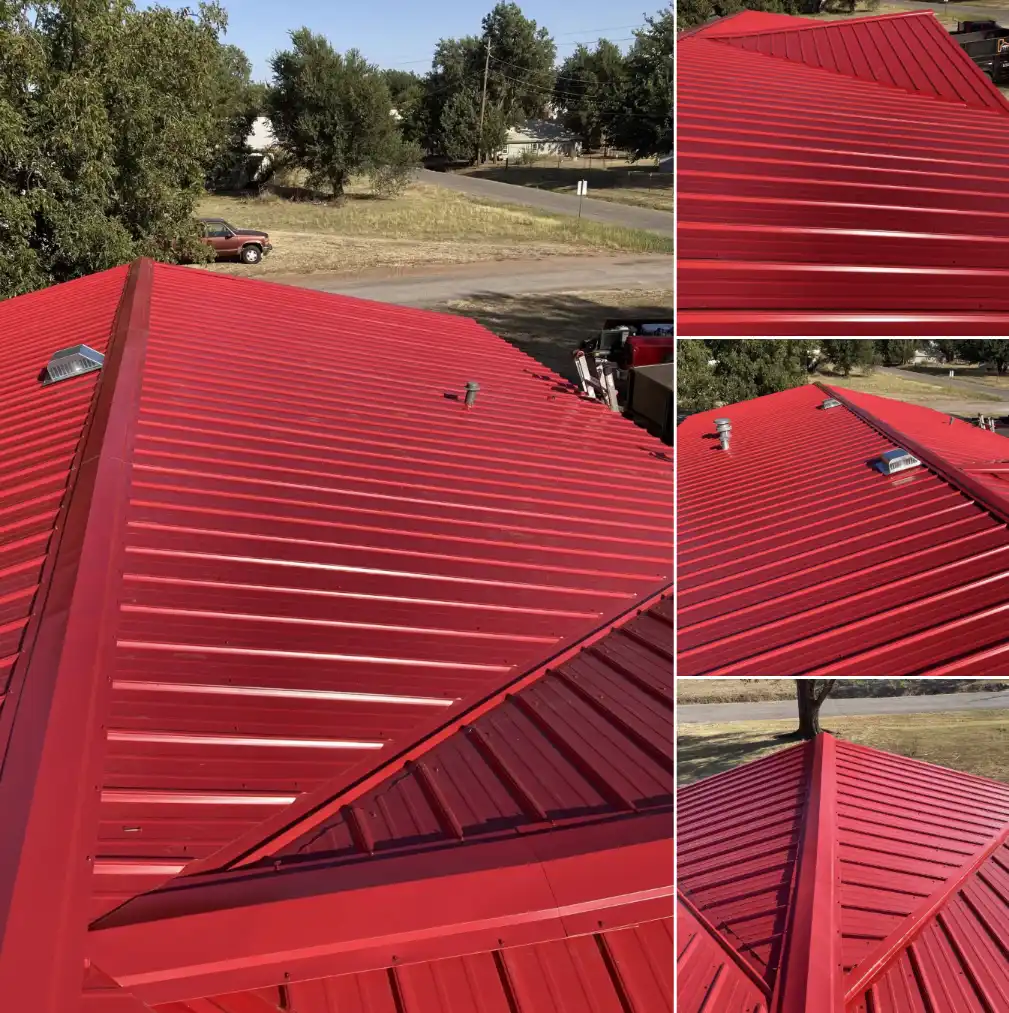
Collage of a red metal roofing installation in Bismarck, North Dakota, showing standing seam panels, ridge caps, and roof vents by Bismarck Exterior Pros.

For the full material comparison, our roofing materials guide covers asphalt shingle options, Class 4 impact resistant shingles, and metal roofing in the context of North Dakota’s climate and typical ownership timelines.

The Honest Financial Conversation

The honest conversation about metal roofing always involves upfront cost. Metal costs more to install than asphalt. That is true and worth acknowledging directly.

Ownership Cost Over Time

The relevant comparison is not the upfront cost in isolation. It is the cost of owning each system over the expected period of ownership of the home.

An asphalt shingle system in Bismarck’s climate may require replacement every fifteen to twenty five years, depending on material quality and weather exposure. A standing seam metal system installed correctly may serve the building for decades beyond that range with minimal maintenance intervention.

How the Numbers Actually Work

When you calculate the cost of two or three asphalt replacements over the period during which a metal roof is still performing, the lifecycle cost comparison looks meaningfully different than the upfront cost comparison. Add in the maintenance costs, potential insurance premium considerations from a more durable system, and the reduced repair frequency, and the gap narrows further.

How We Present This

We present this comparison honestly because we believe homeowners make better decisions with accurate information. Metal is not the right financial answer for every situation. For a homeowner who plans to sell in five years, the economics are different than for a homeowner planning to stay in the home for thirty. We help you evaluate your specific situation rather than applying a generic recommendation.

Our roofing materials guide covers the full material comparison including asphalt shingle options, Class 4 impact resistant shingles, and metal roofing in the context of North Dakota’s climate and typical ownership timelines.

Engineered Products for This Climate

We install steel panel systems from manufacturers with genuine performance records in cold climates and demanding weather environments. Bridger Steel and Central States are among the manufacturers whose products we specify for Bismarck area installations.

Not Generic Metal Systems

These are not generic metal systems. They are engineered products with specified gauges, coating systems, and performance warranties designed for the range of conditions this market produces.

The coating quality on a metal panel affects its long term appearance and corrosion resistance. The gauge of the steel affects its resistance to hail denting and structural loading. We specify products appropriate for this climate, not the lightest or least expensive option available.

Why the Contractor You Choose Matters More

Metal roofing installation requires specific expertise and techniques that differ from asphalt shingle installation. This is worth stating plainly because the contractor you choose matters more for a metal system than for a standard asphalt replacement.

Underlayment and System Skills

Proper underlayment selection for a metal system accounts for the thermal movement of the panels. Standard asphalt underlayment is not appropriate in all metal roofing applications. Standing seam panel forming, seam rolling, and clip installation all require specific training and equipment. Flashing at penetrations and transitions in a metal system needs to be done with materials and techniques compatible with the metal panels themselves.

What Poor Installation Looks Like Later

A contractor who primarily installs asphalt shingles and has limited metal roofing experience can produce a result that looks correct but develops performance problems over time. The seam quality, fastener pattern, clip spacing, and flashing execution all matter in ways that may not be apparent until years after the installation when problems surface.

Our Approach

We install metal roofing with the same inspect first, document everything, honest recommendation approach that guides our entire practice. If metal is the right system for your property and situation, we install it correctly. If it is not the right answer for your specific situation, we tell you that too.

Where We Install Metal Roofing

We install metal roofing throughout Bismarck and across the Bismarck Mandan metro.

Mandan

For homeowners in Mandan, our roofing services in Mandan page covers specifics.

Lincoln

For Lincoln homeowners, our roofing services in Lincoln page has the details.

Extended Communities

For extended communities throughout Burleigh and Morton County, our service areas page covers the full coverage picture.

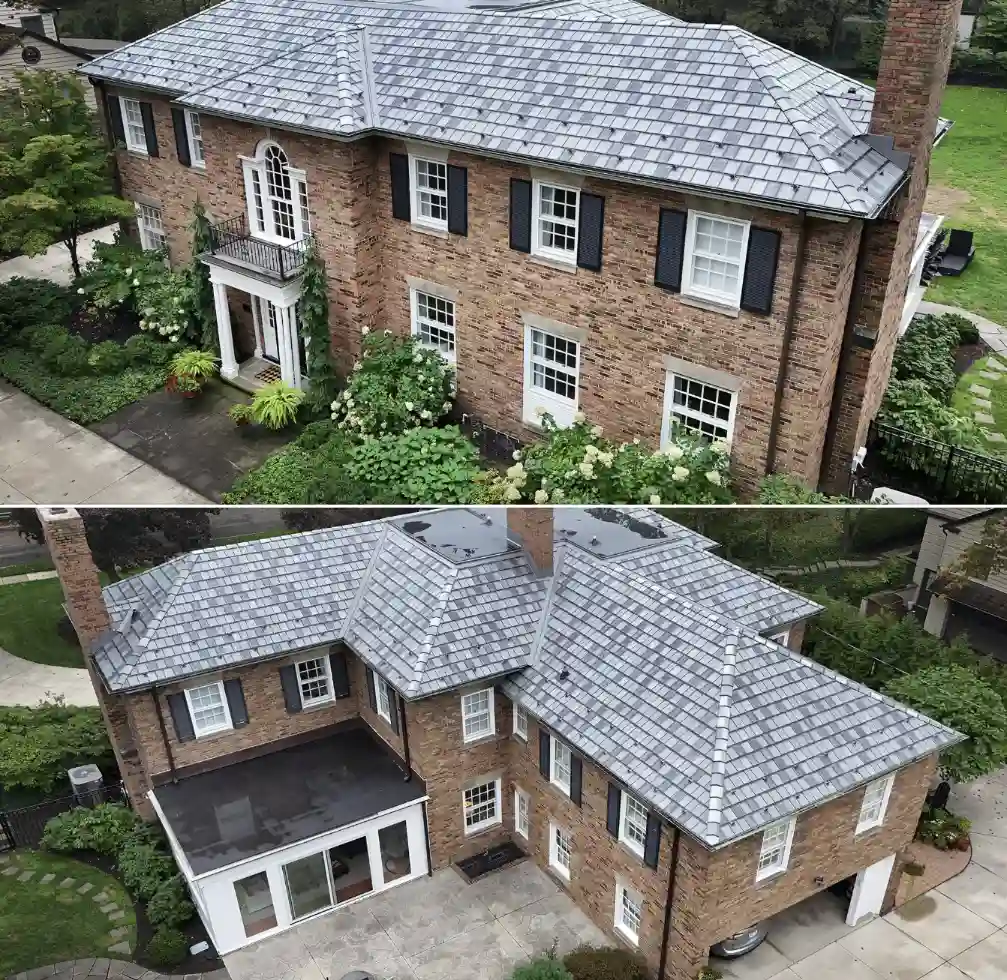
Completed metal shingle roofing installation on a brick home in Bismarck, North Dakota, featuring durable grey metal shingles and chimney flashing by Bismarck Exterior Pros.
  • For homeowners who plan to stay in their home long term and want a roofing system that handles North Dakota’s specific weather challenges, metal roofing is one of the strongest options available. The combination of snow shedding, hail performance, wind resistance, and longevity makes it well suited to this climate.

    Whether it makes sense financially depends on your specific ownership situation, which we are glad to talk through honestly.

  • A properly installed standing seam metal system in this climate typically performs for decades longer than an asphalt shingle system. Exact service life depends on material quality, installation quality, and specific weather exposure.

    Metal is not subject to granule loss, mat bruising, or the freeze thaw degradation that shortens asphalt shingle life in this market.

  • Standing seam uses concealed fasteners and hidden clips that allow the metal to expand and contract freely. No fasteners penetrate the visible panel face. Exposed fastener systems use screws through the panel face with rubber washers.

    Standing seam costs more and offers better long term performance with fewer maintenance demands. Exposed fastener is less expensive upfront but requires periodic maintenance of the washer seals at each fastener location.

  • No more than asphalt roofing when properly installed over appropriate underlayment and decking in a fully insulated residential structure. The noise concern comes from agricultural metal roofing over open framing.

    Homeowners with properly installed residential metal roofs consistently report that the noise difference from asphalt is minimal.

  • Metal’s smoother surface sheds snow more readily than asphalt shingles, reducing the snow accumulation that contributes to ice dam formation. Metal also provides a more watertight barrier when water does back up behind ice at the eave.

    Metal roofing does not eliminate ice dams since the root cause is attic ventilation and insulation, but it responds differently and generally better than asphalt in ice dam conditions.

  • We install steel panel systems from manufacturers including Bridger Steel and Central States, among others. We specify products with appropriate gauges, coatings, and performance warranties for Bismarck’s climate demands.

  • Upfront, metal costs meaningfully more than asphalt. Over the full expected service life of each system in this climate, the comparison is more nuanced.

    We provide written estimates after assessing the specific property and discuss the lifecycle context honestly so you can make an informed decision.

  • Steep slope residential and commercial roofs are well suited to metal panel systems. Roof pitch, geometry, and structural considerations all factor into the installation approach.

    We assess the specific property before recommending a system.

Discuss Metal Roofing for Your Property

Call Bismarck Exterior Pros About Metal Roofing in Bismarck.

Metal roofing is a genuinely good option for the right homeowner in this market. It is not the right answer for everyone. We will tell you honestly which category your situation falls into after understanding your property, your ownership timeline, and your priorities.

No pressure. No forms. A straight conversation about what makes sense for your specific roof and situation.

  • Licensed & Insured
  • 5+ Years Local Experience
  • Standing Seam & Steel Panel Systems
Call now to discuss metal roofing for your Bismarck property.
Talk to a Local Roofer