3205 E Thayer Ave, Bismarck, ND 58501
+1 (701) 807-8088
Mon–Fri: 7:00 AM–6:00 PM
Roof repair work on asphalt shingles in Bismarck, North Dakota by Bismarck Exterior Pros
Snow · Hail · Wind · Arctic Cold
Bismarck’s Local Roof Repair Professionals

Roof Repair in Bismarck, ND

Honest Assessments, Professional Results

From roof leaks and missing shingles to flashing and storm damage, Bismarck Exterior Pros identifies the source of the problem first and recommends the repair your roof actually needs. We serve homeowners and property owners across Bismarck, Mandan, Lincoln, and nearby communities.

Serving Bismarck, Mandan & Lincoln
Inspect FirstRepair Second
Leak SourceDiagnosis
5+ YearsLocal Experience

Warning Signs

Signs Your Bismarck Roof Needs Repair.

Some roof problems announce themselves loudly. Others build quietly for months before you notice. Here’s what to look for.

Roof Condition Self-Check
Form BEP–01 Page 1 of 1
01 Inside Your Home
Interior Indicators
  • Water stains on ceilings or walls

    The most obvious signal. They usually appear as yellowish-brown rings and tend to show up after rain or during the late-winter thaw when ice dams let water in.

  • Peeling paint near the top of an exterior wall

    Another indicator that moisture is reaching the wall assembly from above.

  • Damp or compressed insulation in the attic

    Often means water has been infiltrating for longer than you realize.

  • Frost forming on attic sheathing

    In winter, a ventilation warning sign that contributes directly to ice dam problems.

02 Outside Your Home
Exterior Indicators
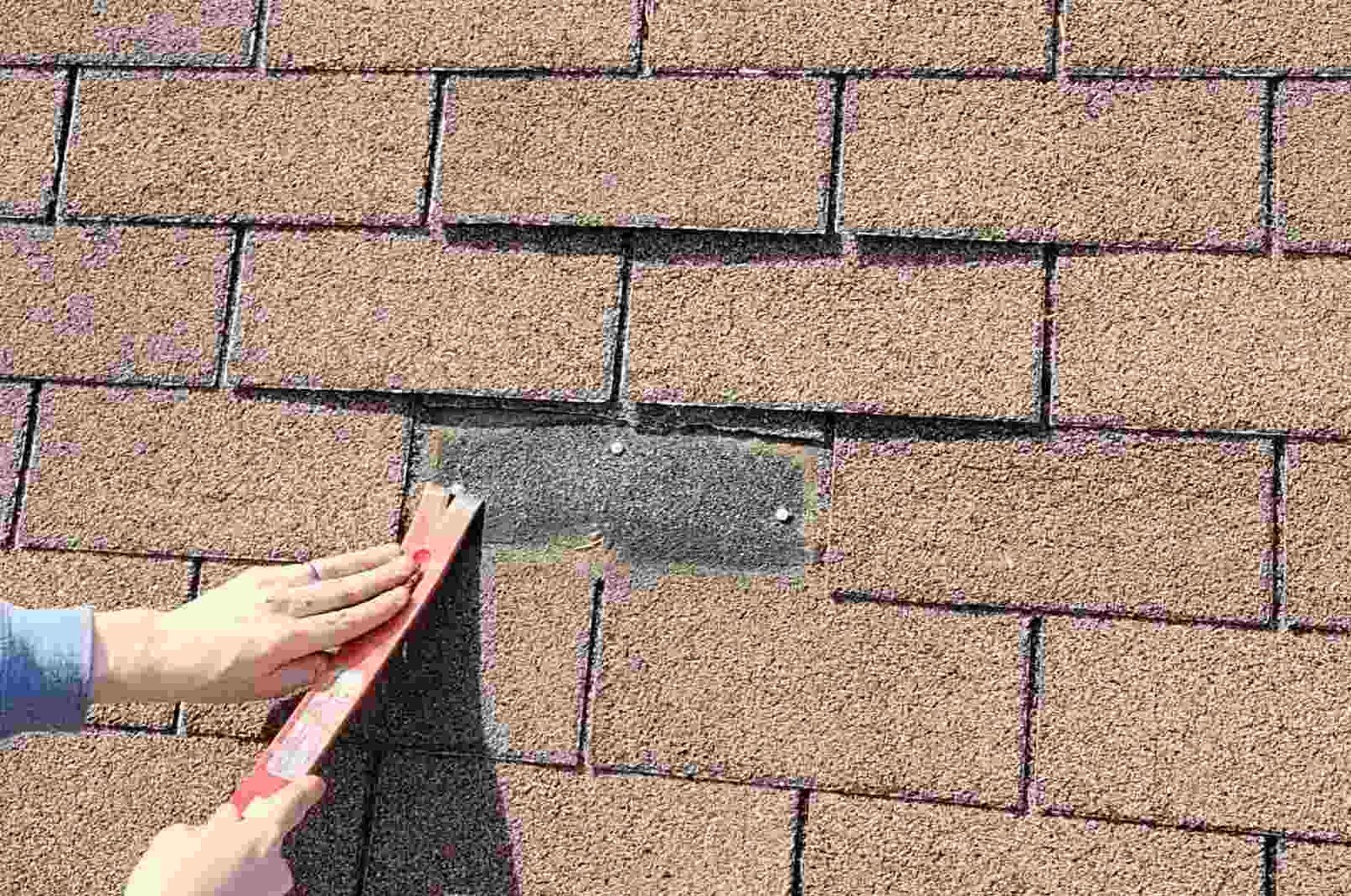
  • Missing or displaced shingles

    Visible from the ground. So are shingles that are curling at the edges or showing lifted tabs.

  • Granule accumulation in gutters

    After a rain, a sign of accelerated shingle wear.

  • Cracked or separated flashing

    Around chimneys, vents, or skylights. One of the most common sources of leaks we find on Bismarck roofs.

  • Sagging sections on the roof plane

    Deserve immediate attention.

  • Dark streaking or algae growth

    While sometimes cosmetic, can signal moisture retention issues worth investigating.

03 After a Storm
Post-Event Indicators

Bismarck’s spring and summer hail seasons and the consistent high plains wind make post-storm inspection a genuinely good habit.

  • Dented gutters or downspouts

    After a hail event, usually mean your shingles absorbed impact too.

  • Wind events over 50 mph

    Not uncommon here. Can lift shingle tabs and break their factory seal without fully removing them.

  • Damage invisible from the ground

    Actively lets water in even when the roof still looks intact.

If you are unsure what you are looking at after a storm, our hail damage signs guide walks through exactly what to check.

Field Notes · Common Repairs

The Most Common Roof Repairs We Do in Bismarck.

After years of inspecting and repairing roofs in this market, the same problems come up repeatedly. This is not random. It is what Bismarck’s specific climate does to roofing systems over time.

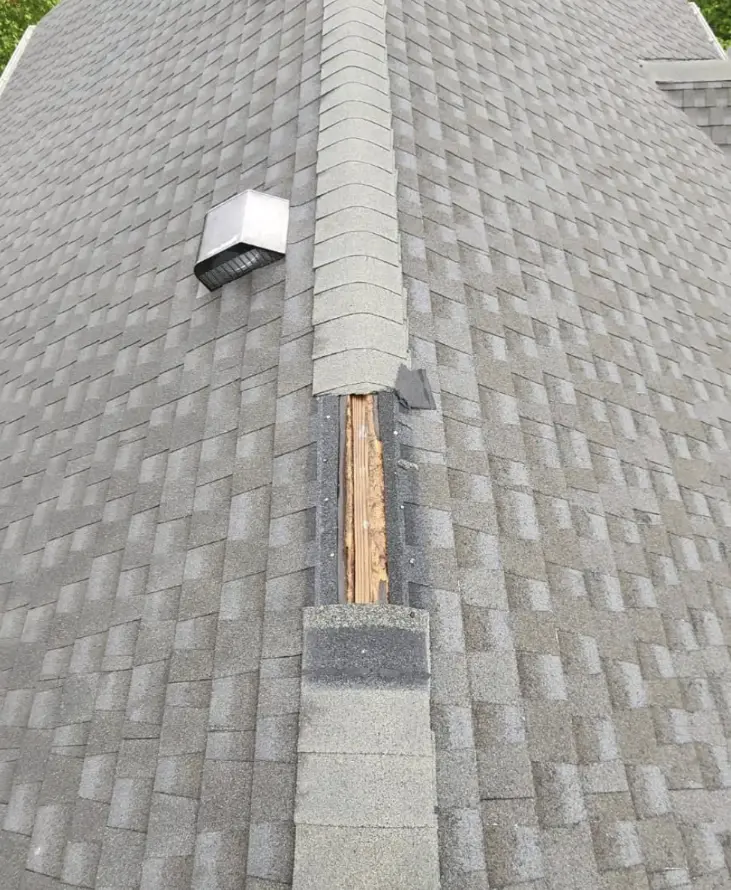
Bismarck, North Dakota roof repair service showing missing asphalt shingles and exposed wood decking, professional roofing repair by Bismarck Exterior Pros.
01 · Featured Repair

Roof Leak Repair.

A roof leak is almost never just about the shingles. The shingle field is the outer layer, but water finds its way in through weak points underneath. Valleys where two roof planes meet concentrate water flow and wear faster than flat sections. Penetrations through the roof deck, including vents, chimneys, skylights, and plumbing stacks, all require properly sealed transitions. When those seals fail, water gets in.

We trace every leak to its actual source, not just where it shows up inside the house. That distinction matters more than it sounds. Treating the symptom without finding the source means the leak returns after the first hard rain.

02

Flashing Repair

Failed roof flashing is the leading cause of what homeowners describe as “mystery leaks.” Flashing is the metal that seals the transitions between your roofing material and anything that penetrates or intersects it, including chimneys, dormers, skylights, walls, and valleys.

Here is the thing about Bismarck specifically. Flashing expands and contracts with temperature. At minus 20 degrees Fahrenheit in January and 95 degrees in July, that thermal range is genuinely extreme. Over time, that cycling loosens sealant, lifts metal edges, and opens gaps. We see chimney flashing failure, step flashing separation along dormers, and valley flashing deterioration more frequently in this climate than contractors in more moderate markets deal with.

Proper flashing repair is not just about applying sealant over the gap. It means understanding why the seal failed, correcting the underlying issue, and reinstalling with materials appropriate for the temperature range your roof actually experiences.

03

Pipe Boot Replacement

Pipe boots are the rubber or metal collars that seal around plumbing vents where they exit through your roof deck. They are a small component, but they are one of the most common sources of active leaks we find during inspections.

Rubber pipe boots have a finite service life. In Bismarck’s climate, the UV exposure in summer combined with the freeze and thaw cycling accelerates that deterioration. A cracked or hardened boot creates an opening that is small enough to miss from the ground but large enough to drip water into your attic every time it rains. Replacement is straightforward and usually one of the more affordable repairs we do. The cost of not replacing a failed boot is always higher than the cost of replacing it promptly.

04

Wind Damage Repair

Wind damage on Bismarck roofs takes several forms. The most obvious is shingles physically missing after a storm. Less obvious but just as problematic is the lifted shingle, one where the wind has broken the factory applied adhesive seal along the tab edge without removing the shingle entirely.

A lifted shingle sits flat again after the wind stops. From the ground, everything looks fine. But the seal is broken, and on the next rainy day, water drives underneath it. We see this pattern often in the weeks following a significant wind event.

Our wind damage repair process covers the full inspection, not just the visible missing pieces. We check ridge caps, hip sections, starter course edges, and every valley because these are the areas that take the highest wind uplift stress on a typical Bismarck roof.

05

Ice Dam Leak Repair

Ice dams are worth their own section because they are genuinely common in North Dakota winters and they damage roofs differently than other problems. We covered this on the homepage, but here is the context specific to repairs.

When an ice dam forms at your eave line and water backs up under your shingles, the damage shows up in two places. First, the shingles and underlayment at the eave. Second, wherever the water travels after it gets through, which is often along rafters and into wall cavities before appearing on an interior ceiling.

Our ice dam repair process addresses both layers. We stabilize the immediate leak by repairing compromised shingles and underlayment at the eave. We also evaluate your attic ventilation because ice dams form in the first place when warm attic air escapes through the roof deck and melts the snowpack. Fixing the roof without addressing the ventilation is patching the symptom. Fixing both means the ice dam is far less likely to form in the same spot next winter.

This is also connected to why proper roof ventilation matters so much in a climate like ours. An attic with poor ventilation does not just cause ice dams. It also drives up heating costs, shortens shingle life from heat buildup in summer, and creates moisture problems that damage your structure over time.
06

Storm Damage Repair

Bismarck sits in an active hail and thunderstorm corridor. Most homeowners understand that a major hailstorm can damage a roof. What is less understood is the range of storm damage that goes beyond the obvious.

After a significant hail event, we inspect not just the shingle field but every component of the roof system. Pipe boots and other rubber components absorb hail impact and crack. Ridge cap shingles take hits from multiple angles. Metal flashing components get dented in ways that compromise their seals. Granule loss across the shingle field may not cause an immediate leak but it accelerates UV degradation significantly.

If you suspect storm damage, a professional roof inspection before contacting your insurance carrier is the right sequence. Thorough documentation of what the storm actually did is what supports a legitimate claim. We photograph everything we find and give you a written condition summary you can use in that process. We never guarantee insurance outcomes. What we do is make sure legitimate damage is documented properly.

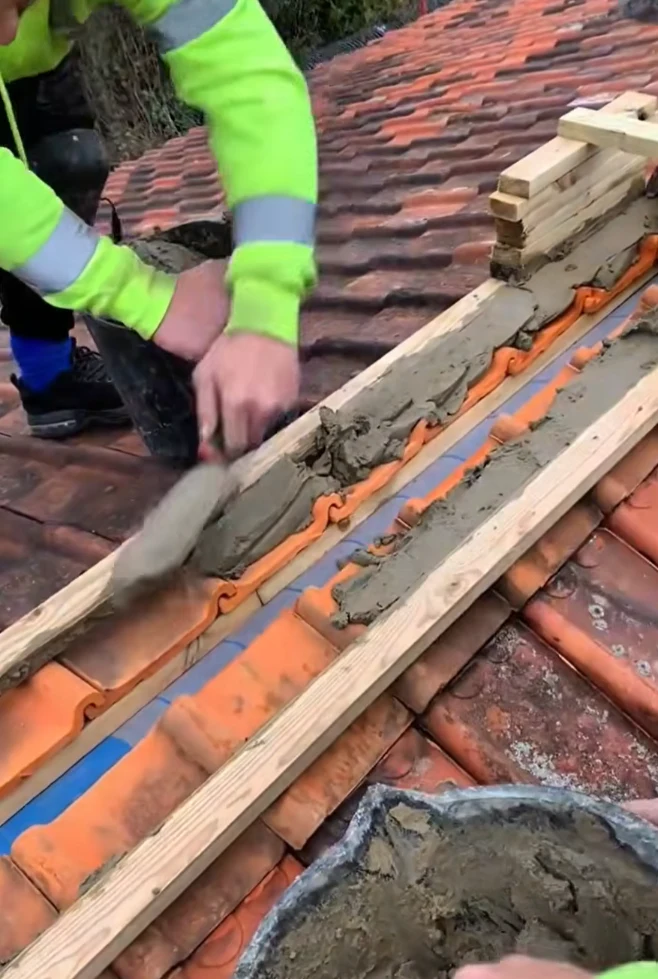
Bismarck, North Dakota roofing contractor applying mortar to repair and secure terracotta roof tiles, professional roof repair services by Bismarck Exterior Pros.

For a full walkthrough of the storm claim process, our storm damage insurance guide covers it step by step.

Deciding What Your Roof Actually Needs

We are pretty particular about this. We believe strongly that not every damaged roof needs to be replaced. And we believe just as strongly that not every repair is worth doing if the roof underneath is near the end of its useful life.

Here is how we think about it honestly.

Repair Is Usually the Right Call When

The damage is isolated to one area and the rest of the roof is in serviceable condition.

The roof has reasonable years of useful life remaining.

The same area has not been repaired multiple times already.

The repair cost represents a sensible investment given what the roof has left in it.

Replacement Becomes the Better Answer When

The roof is approaching or past its expected service life in North Dakota’s climate.

Damage is widespread across multiple slopes or sections.

The same spots have leaked or been repaired repeatedly.

The decking or structural components show moisture damage or deterioration.

The cost of repairs over the next few years is likely to approach or exceed replacement cost anyway.

It is more complicated than it sounds, and every roof is different. That is exactly why we inspect before we recommend. Our repair or replace guide walks through the decision in detail. If you are genuinely unsure which side of the line you are on, a professional roof inspection gives you documented information to make that call confidently.
What to Expect From Inspection to Completion

We try to make this as predictable as possible. Here is what the process looks like from your first call to the finished repair.

You Call Us

Tell us what you are seeing, when it started, and what kind of weather preceded it if you know. That context helps us understand what kind of inspection makes sense.

We Schedule the Inspection

A roofing professional gets on the roof, evaluates the full shingle field, checks all flashings and penetrations, and looks at any areas of concern you have mentioned. We photograph everything we find.

We Explain What We Found

In plain terms. Where the problem is. What caused it. How far it has spread. What the options are.

We Give You a Written Scope and Estimate

No surprises. The work is defined clearly in writing before anything starts. You know what is being done, why, and what it costs.

We Complete the Repair

Using installation practices appropriate for Bismarck’s climate. Correct fastening. Proper sealants. Materials matched to the existing roof where possible.

We Clean the Property

Magnetic sweeps across the driveway and yard. Debris removed. The job site left clean.

We Do a Final Walkthrough

You see the completed work. We confirm everything is as it should be.

What Bismarck Winters Mean for Roofing Work

This is something most roofing pages do not cover. Most of the year in Bismarck, repair scheduling is straightforward. In winter, it gets more nuanced.

Why Cold Temperatures Change the Work

Roofing work in cold temperatures requires specific material handling. Asphalt shingles become brittle below freezing and can crack if handled incorrectly. Sealants and adhesives need adequate temperatures to bond properly. Installing replacement shingles in January in Bismarck without accounting for these factors produces repairs that do not hold as long as they should.

How We Handle Winter Repairs

We are familiar with cold-weather roofing. We know which repair types hold up through a Bismarck winter and which ones need to be revisited in spring when temperatures allow for a more permanent fix. When emergency conditions require immediate action in cold weather, we stabilize the situation to stop active water entry and schedule the full permanent repair at the appropriate time.

The point is this. We do not avoid winter repairs. We approach them honestly, with the right materials and the right expectations about what can be accomplished in sub-zero conditions.

Roof Repair Throughout the Bismarck-Mandan Metro

Our roof repair service covers all of Bismarck and extends throughout the Bismarck-Mandan metro.

Bismarck Neighborhoods

We regularly work throughout South Bismarck, North Bismarck, the Cathedral Historic District, Highland Acres, Pebble Creek, South Bay, North Hills, and the newer residential areas in the growing parts of the city.

Mandan

Mandan homeowners across the Missouri River get the same team and same approach.

Lincoln & Surrounding Counties

Lincoln, which continues to grow steadily southeast of Bismarck, is also a regular part of our service area. For extended communities throughout Burleigh and Morton County, our service areas page has the full coverage details.

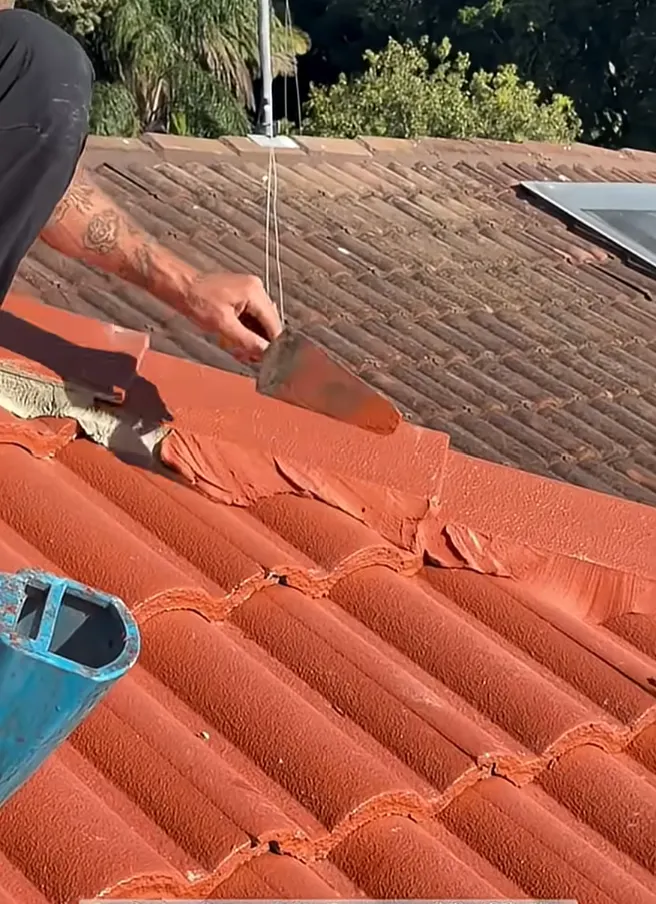
Bismarck roofing contractor using a trowel to apply mortar and repair terracotta roof tiles in Bismarck, North Dakota, by Bismarck Exterior Pros.
  • It varies depending on what the repair involves. A straightforward pipe boot replacement is a minor job. Flashing repair around a chimney involves more time and material. A section of wind-lifted shingles with compromised underlayment beneath them costs more than simply replacing the visible shingles.

    We provide written estimates after inspection so you know the actual cost before any work begins. We do not quote over the phone without seeing the roof first because a number without an inspection is just a guess.

  • Usually it depends on the roof’s age, the extent of any damage, and the overall condition of the shingle field and underlying components. Localized damage on a roof with useful life remaining almost always points toward repair.

    Widespread damage, repeated problems in multiple areas, or an aging roof that has been repaired several times often points toward roof replacement being the smarter long-term investment. Our repair or replace guide covers the key factors in detail.

  • Yes, in most cases. Emergency stabilization and active leak repairs happen year-round because water cannot wait. Some repair types are better handled when temperatures allow proper material sealing.

    We assess each situation honestly and tell you what can be accomplished now versus what should wait for better conditions.

  • If the damage resulted from a covered event like hail or high wind, repair may be covered under your policy. Coverage depends on your specific policy terms and how the damage is documented.

    We inspect and document legitimate damage thoroughly. We never guarantee claim approval or settlement amounts. That determination belongs to your insurance carrier.

  • Most standard repairs are completed in a single visit. More extensive repairs involving multiple penetrations, large flashing replacement, or significant shingle sections may take longer.

    We communicate the expected timeframe clearly before scheduling begins.

  • They are often the same thing. Flashing failure is one of the most common causes of roof leaks, particularly around chimneys, skylights, dormers, and wall transitions.

    When we repair a roof leak we always investigate whether flashing is the source, because it frequently is. Sometimes what appears to be a shingle problem is actually a flashing problem underneath it.

  • Yes. We repair both residential and commercial roofing systems in the Bismarck area. Commercial flat and low-slope roofs present specific repair challenges in Bismarck’s climate, particularly around seams and drainage components that suffer from freeze-thaw cycling.

    Our commercial roofing page covers our commercial roofing repair work in more detail.

  • Stay off the roof. Move valuables away from the area below the leak. Place a bucket or towels under active drips. If water is bulging a ceiling, a small puncture relieves the pressure and prevents a larger ceiling collapse.

    Then call us. We can talk you through what to do while we get there and arrange emergency tarping if the situation requires it. For urgent situations, our emergency roof repair has additional guidance.

Related Roofing Services

More Ways We Protect Bismarck Roofs.

Not every roofing situation is a straightforward repair. Depending on what your roof is dealing with, one of these services may be the better next step, and we’ll tell you honestly which one it is.

Roof Inspection

Not sure what you are dealing with? A professional inspection gives you a clear picture of your roof’s actual condition before you decide on next steps.

Learn more

Storm Damage Roofing

For roofs affected by hail, high wind, or severe weather events specific to the Bismarck area.

Learn more

Emergency Roof Repair

For active leaks and storm situations that cannot wait for a standard appointment.

Learn more

Roof Replacement

When repair is no longer the right answer, a full roofing system replacement done correctly for North Dakota conditions.

Learn more

Schedule Your Inspection

Call Bismarck Exterior Pros for Professional Roof Repair in Bismarck.

A small roof problem that gets attention promptly stays a small problem. Left alone, most roof damage in Bismarck’s climate gets worse faster than homeowners expect. The freeze-thaw cycling, the winter moisture, and the spring hail season all put additional stress on a roof that already has a weak point.

We inspect first. We explain clearly. We recommend what actually makes sense for your specific situation. And we back up our work. No forms. No runaround. Just a call and a straight conversation with a local roofing contractor who knows what Bismarck roofs face.

  • Licensed & Insured
  • 5+ Years Local Experience
  • Honest Written Recommendations
Call +1 (701) 807-8088
Call now to schedule your roof repair inspection.
Talk to a Local Roofer