3205 E Thayer Ave, Bismarck, ND 58501
+1 (701) 807-8088
Mon–Fri: 7:00 AM–6:00 PM
Residential shingle roof installation aerial view in Bismarck, North Dakota
Hail · Wind · Snow Load · Ice Dams
Bismarck’s Local Residential Roofing Professionals

Residential Roofing in Bismarck, ND

Built for the Homes and Climate of Central North Dakota

Your roof is what stands between your home and everything Bismarck’s climate sends at it — Arctic winters, spring hail, high plains wind, snow load, and freeze-thaw cycles. Bismarck Exterior Pros provides full-lifecycle residential roofing for homeowners across Bismarck, Mandan, and Lincoln, from first inspection through full replacement.

Serving Bismarck, Mandan & Lincoln
Full LifecycleCoverage
North DakotaWeather Ready
5+ YearsLocal Experience

Climate Stressors

How Bismarck’s Climate Specifically Affects Residential Roofs.

We want to be specific about this because generic harsh climate language does not actually help homeowners understand what is happening to their roof.

Climate Stress Audit
Form BEP–05 Page 1 of 1
01 Storm Events
Hail & Wind
  • Hail is Bismarck’s most common cause of insurance related roof claims. The northern plains hail corridor runs directly through central North Dakota. Most homeowners in established neighborhoods like Highland Acres, Pebble Creek, South Bay, and North Hills have had their roofs hit by at least one meaningful hail event. Getting it properly inspected and documented after a storm is the only way to know.

  • Wind is consistent and underappreciated in this market. High plains wind puts sustained uplift pressure on shingle edges and ridge caps. Roofs that were installed with inadequate starter courses or improper fastening patterns show their weaknesses in wind before they show them anywhere else. If you have noticed lifted shingle tabs or sections after windy periods, that is a condition worth having looked at.

02 Winter Conditions
Snow Load & Ice Dams
  • Snow and ice dams are the winter reality. A roof that sits under snow load for months and then cycles through freeze thaw is under genuine stress. The ice dam problem specifically is a function of how well your attic is insulated and ventilated.

  • Homes in older Bismarck neighborhoods with less than ideal attic conditions are more vulnerable to ice dam formation every winter. Understanding the connection between your attic’s thermal performance and your roof’s winter behavior is practically useful.

03 Year Round Stress
Freeze Thaw Cycling
  • Freeze thaw cycling puts repeated stress on every material transition on your roof. Flashing seals expand and contract. Caulked joints open and close. Over enough cycles, small movements accumulate into gaps that let water in.

  • This is why flashing inspection is a standard part of every professional roof assessment in this climate. A flashing seal that holds through summer can open during the first hard freeze of the season.

For the winter side of this story, our ice dams and winter roofing page covers how they form, how they damage roofs, and what can be done about it.

Field Notes · What We Do

Residential Roofing Services for Bismarck Homeowners.

We focus entirely on roofing. Every service we provide exists to help homeowners protect, maintain, and restore their roofs. Here is the full range of what we do.

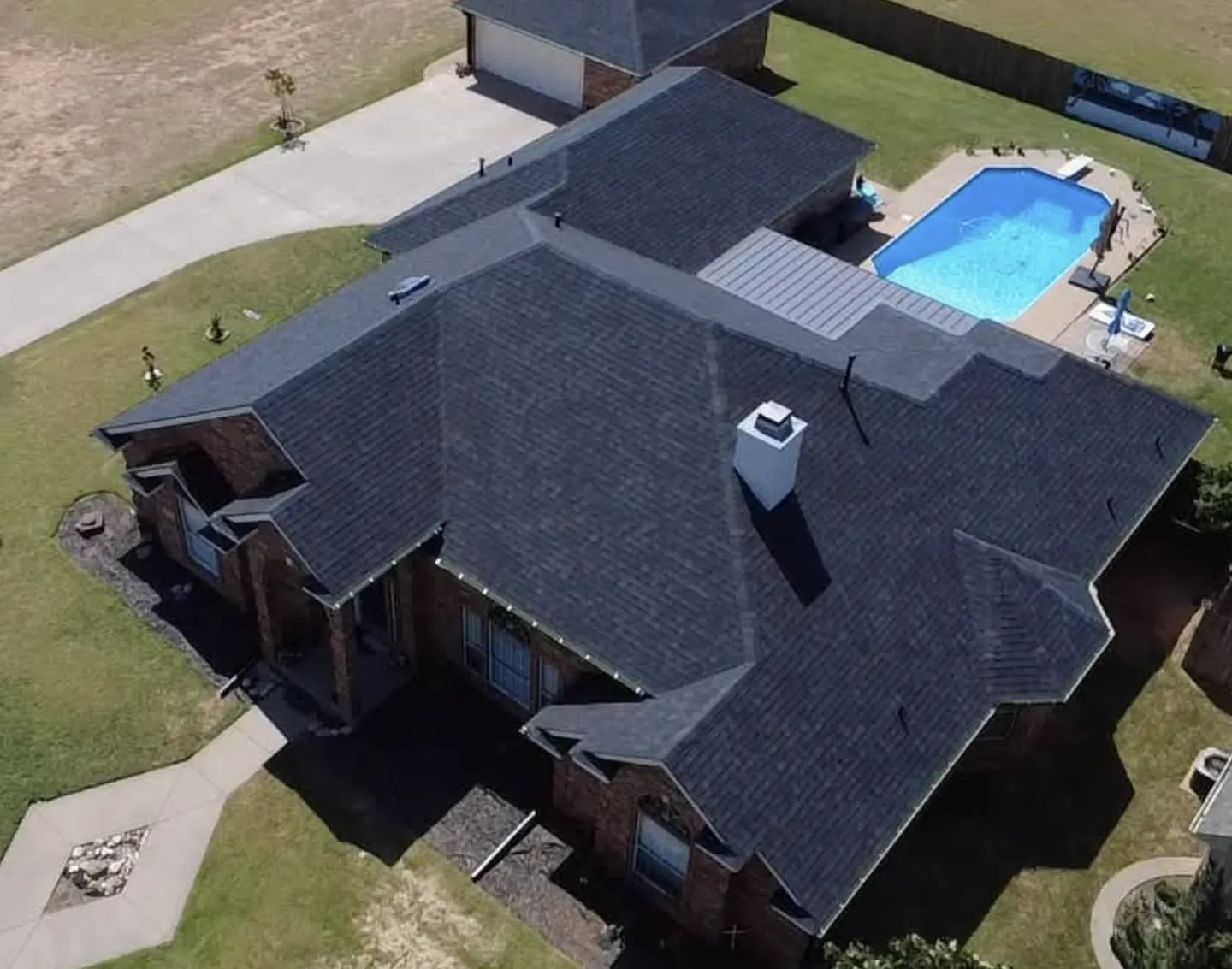
Completed residential roofing project in Bismarck, North Dakota, featuring a new dark asphalt shingle roof on a home with a chimney and pool area by Bismarck Exterior Pros.
01 · Featured Service

Roof Repair. The Honest First Call.

When damage is isolated and the rest of the roof is in serviceable condition, targeted roof repair is the honest recommendation. A failed pipe boot. Lifted shingles from last month’s wind event. A cracked flashing seal at the chimney.

These are repair scopes. Addressing them promptly keeps small problems from becoming large ones. We tell you when repair is the right answer, and when it is not.

02

Roof Replacement

When a roof reaches the end of its useful service life, or when damage is too widespread for repair to make financial sense, roof replacement is the answer.

A proper replacement in this market is a complete system rebuild. Not a layover. Not a patch. Every component rebuilt from the deck up for North Dakota conditions.

03

Storm Damage Roofing

Bismarck sits in an active hail and severe weather corridor. Storm damage roofing covers the inspection, documentation, and repair or replacement work that follows a hail event, high wind storm, or any severe weather that compromises your roofing system.

Getting it properly documented is the foundation of any legitimate insurance claim.

04

Hail Damage Roofing

Hail damage is the most common storm related roofing issue we deal with in this market. Most of it is not visible from the ground.

A professional inspection after any significant hail event tells you what actually happened to your roof and gives you the documented evidence your insurance carrier needs.

05

Roof Inspection

A professional roof inspection is the right starting point in almost every situation. Before you know whether you need repair or replacement. Before winter. After a storm. Before buying or selling a home.

An inspection gives you a documented, accurate picture of your roof’s actual condition.

06

Ice Dams and Winter Roofing

Ice dams are a genuine and recurring problem for Bismarck homeowners. They form when attic heat escapes through the roof deck and melts the snowpack, which then refreezes at the cold eave line.

Our ice dams and winter roofing page covers how they form, how they damage roofs, and what can be done to address both the symptom and the underlying cause.

07

Metal Roofing

For homeowners who want the longest service life available in this climate, metal roofing is worth serious consideration.

Standing seam steel systems shed snow cleanly, resist hail impact better than standard asphalt shingles, and typically outlast two or three asphalt replacement cycles over a home’s lifetime.

08

Roof Maintenance

Roof maintenance is how you extend your roof’s performance and catch small problems before they become expensive ones.

In Bismarck’s climate, periodic maintenance checks on flashing seals, pipe boots, and ventilation components pay for themselves in avoided repairs and extended roof life.

Here is something nobody in the roofing industry talks about clearly enough. Your home’s roof has a lifecycle. It starts the day it is installed and it ends the day it is replaced. Everything in between is about managing that lifecycle intelligently. Understanding what stage your roof is in, and what the right response to its current condition looks like, is genuinely useful for Bismarck homeowners because the decisions you make at each stage have real financial consequences.

09

New or Recently Installed Roof

If your home has a roof that is less than five or six years old and was installed correctly, your main responsibility is periodic inspection and basic maintenance awareness.

Know what normal looks like on your roof so you recognize when something changes. Schedule a professional inspection after any significant storm event, particularly hail, because newer roofs can sustain storm damage that does not yet affect performance but that supports a legitimate insurance claim while the damage is fresh.

10

Mid Life Roof, 7 to 15 Years

This is the stage where most Bismarck homeowners get a little complacent, and it is also where the problems that turn into expensive repairs typically develop. A mid life roof in North Dakota’s climate has absorbed years of hail, wind, UV exposure, and freeze thaw cycling.

Flashing seals age. Pipe boots approach the end of their service life. Granule coverage starts thinning in exposed areas. Annual inspections at this stage catch the small things that are easy and inexpensive to address before they become the large things that require emergency calls and significant repair costs.

11

Aging Roof, 16 to 25+ Years

An aging roof in Bismarck’s climate is one that has worked hard and shows it. At this stage, the question shifts from whether maintenance makes sense to whether you are approaching the point where planning for replacement is more financially sound than continuing to repair.

An inspection at this stage gives you a documented picture of where the roof actually stands, which is more useful than guessing. Our signs you need a new roof guide covers the specific indicators that suggest a roof is approaching end of useful life.

12

Common Residential Roofing Mistakes Bismarck Homeowners Make

We see these patterns repeatedly. None of them are rare. All of them are avoidable. Waiting for a visible problem before calling. Most roof damage in Bismarck’s climate builds quietly before it becomes visible inside the house. By the time you see a water stain on your ceiling, the problem has usually been developing for one or more seasons.

Ignoring post storm inspection. A significant hailstorm rolls through the neighborhood. Nothing looks obviously wrong from the driveway. Life goes on. Six months later, leaks appear. The damage was there after the storm. It was just not visible from the ground. A prompt post storm inspection documents legitimate damage while your insurance filing window is still open.

Choosing a contractor based on price alone. We understand the instinct. A roofing project is a significant expense and a lower quote is genuinely appealing. The problem is that roofing in Bismarck’s climate requires specific knowledge about fastening patterns, underlayment selection, ice protection, and ventilation that not every contractor applies consistently. A replacement that costs a little less and fails in three winters because of improper installation costs significantly more in the long run.

Signing with out of state storm crews. After a hailstorm, out of state crews arrive and work quickly. The work sometimes looks fine initially. Problems surface later. When you call to follow up, the company may no longer operate in North Dakota. A local contractor with a genuine stake in their community reputation is a fundamentally different situation.

Deferring maintenance until it becomes repair. A pipe boot that is starting to crack. A chimney flashing that has separated slightly. A ridge cap shingle with a lifted edge. These are maintenance level items that cost little to address when caught early and significantly more when they become active leaks. Roof maintenance is an investment in avoiding larger expenses, not an optional add on.

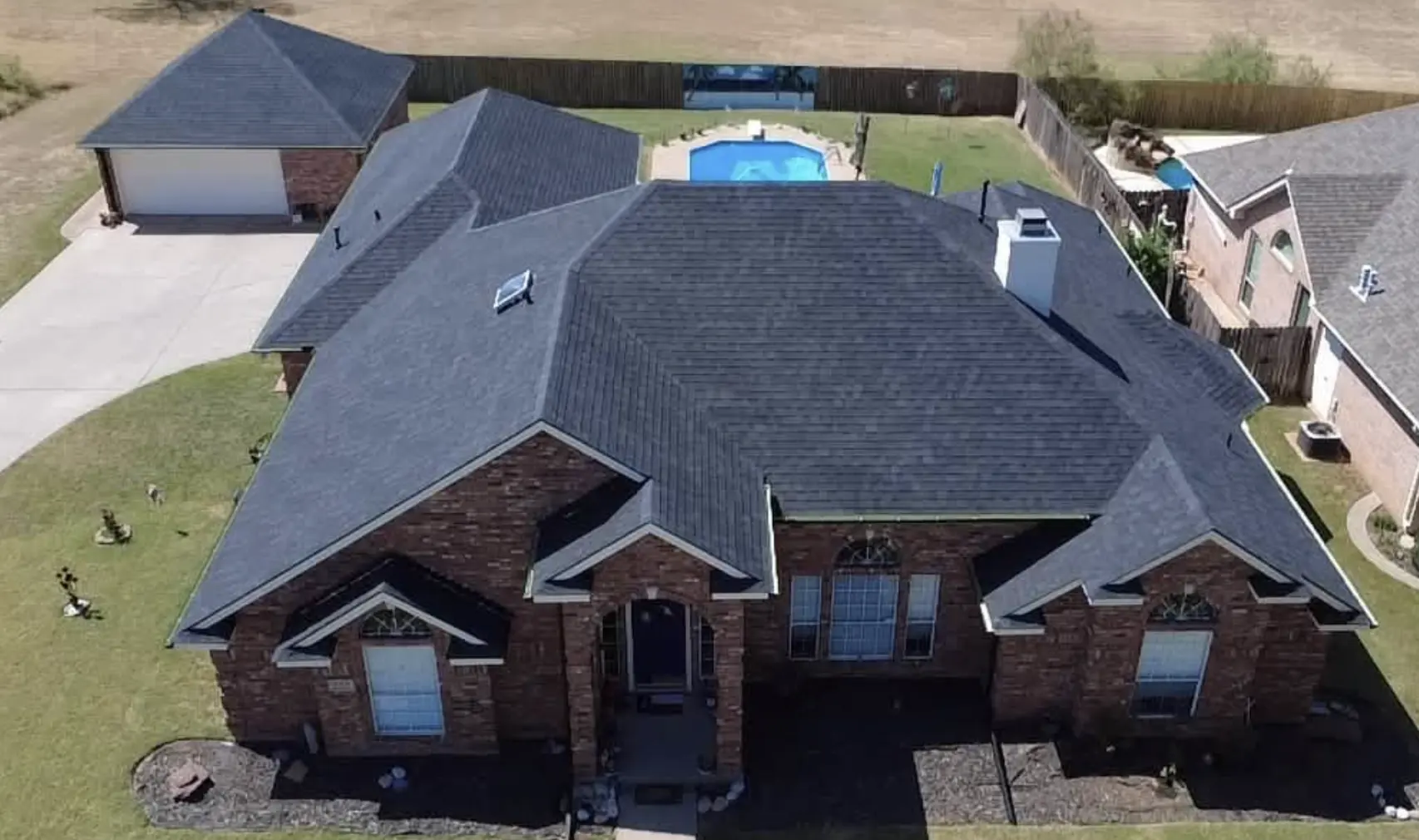
Aerial view of a residential roofing project in Bismarck, North Dakota, showing a completed dark asphalt shingle roof on a brick home with a chimney and pool by Bismarck Exterior Pros.

For deeper reading, see our signs you need a new roof guide , our roof lifespan in North Dakota guide , and our roofing materials guide .

What We Actually Recommend Homeowners Look For

Here is what we actually recommend homeowners look for when evaluating roofing contractors, including us.

Verify They Are Licensed and Insured in North Dakota

North Dakota requires contractor licensing for roofing projects above a certain value. Ask for license and insurance documentation before any work begins. A legitimate local contractor provides this without hesitation.

Confirm They Have a Real Local Presence

A company with a verified physical presence in the Bismarck area has a genuine stake in their reputation here. They will still be reachable when a question comes up six months after the project is done. An out of state crew chasing storm work has no such stake.

Ask What the Written Scope Includes

A professional contractor provides a written project scope before work begins. This tells you exactly what is being done, what materials are being used, and what the project includes. Vague verbal assurances are not a substitute.

Ask How They Handle the Permit Process

Roof replacements require permits in the City of Bismarck. A contractor who does not mention permits either does not pull them routinely or expects you to manage that process. Proper permitting protects you as the homeowner.

Ask for Written Estimates, Not Phone Quotes

A meaningful estimate requires seeing the actual roof. Phone quotes without inspection are not estimates. They are guesses that will change when the contractor actually gets on your roof.

Ask How They Approach Cleanup

Magnetic nail sweeps across the driveway and yard after tear off are a basic professional standard. Ask about it specifically. It matters when your children or pets use the yard.

From the Homeowner’s Side of the Project

Knowing what the process looks like from your side as the homeowner reduces anxiety and helps you plan appropriately.

Before Work Begins

Materials are typically staged at your property. Shingles are heavy and large quantities are required. Your driveway will be partially occupied during this period. Plan accordingly.

Installation Day

Installation day is typically a full day project for most residential roofs. The crew arrives early and works through the day. Tear off produces noise and debris. The job site looks chaotic during the middle of the day. By end of day, your roof should be fully installed and the site cleaned.

Magnetic Sweeps

We run magnetic sweeps across your driveway and yard after every tear off. This is not optional in our process. It is a standard step. You should be able to use your driveway and yard normally after the project is complete.

Final Walkthrough

A final walkthrough confirms the completed work. You see what was done. We confirm it with you. If anything is not as agreed, that is the time to raise it.

Documentation

You receive documentation of the project, including the warranty information you need to keep on file for future reference, for insurance purposes, and for when you eventually sell the home.

Where We Work on a Regular Basis

We work throughout all of Bismarck’s residential neighborhoods on a regular basis.

Bismarck Neighborhoods

South Bismarck. North Bismarck. The Cathedral Historic District, where older homes often have roofing considerations specific to their age and construction. Highland Acres. Pebble Creek. South Bay. Country West. North Hills. South Meadows. Cottonwood. Tately Meadows. High Meadows. The newer development areas in the expanding parts of the city.

Every neighborhood has its own character and its own roofing context. Older neighborhoods have older homes with roofs that may be approaching or past replacement age. Newer neighborhoods have homes where storm documentation and Class 4 material considerations are most relevant. We understand both.

Mandan

For homeowners in Mandan, our roofing services in Mandan page covers what we do across the river.

Lincoln & Surrounding Counties

For Lincoln homeowners, our roofing services in Lincoln page covers that community specifically. For extended communities throughout Burleigh and Morton County, our service areas page has the full picture.

Decisions Every Bismarck Homeowner Faces

How Do I Know Whether I Need Repair or Replacement?

It depends on the roof’s age, the extent of any damage, and how many areas of the roof are affected. A professional inspection gives you a documented picture of your roof’s actual condition so you can make that decision based on real information. Our repair or replace guide covers the key decision factors in detail.

What Materials Work Best in North Dakota?

Architectural asphalt shingles installed correctly with proper underlayment and ice protection are the most common choice and perform well. Class 4 impact resistant shingles offer meaningfully better hail resistance and often qualify for insurance premium discounts. Metal roofing provides the longest service life. The right choice depends on your budget, your plans for the home, and your specific exposure. Our roofing materials guide covers each option in practical terms.

How Long Does a Roof Last in Bismarck?

In North Dakota’s climate, asphalt shingle roofs typically perform for somewhere between 15 and 25 years depending on material quality, installation quality, ventilation, and how much weather stress they have absorbed. Our roof lifespan in North Dakota guide covers this in more detail.

What Should I Do If a Storm Just Came Through?

Document what you can see from the ground with dated photos. Do not climb on the roof yourself. Call for a professional inspection before contacting your insurance carrier. The sequence matters. Our storm damage roofing page covers the full post storm process.

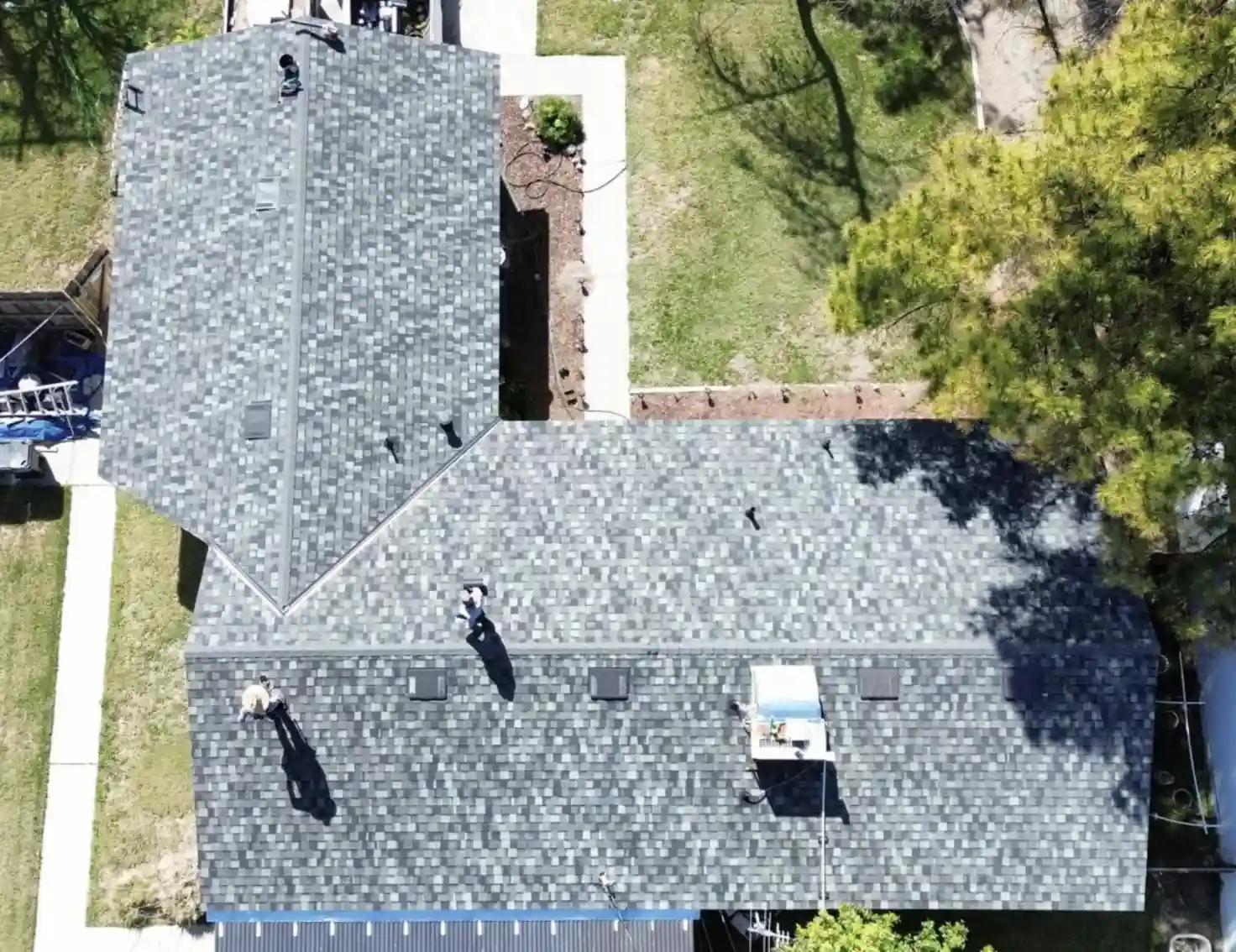
Aerial view of Bismarck, North Dakota roofers installing new asphalt shingles on a residential roof by Bismarck Exterior Pros.
  • It depends on the roof’s age, the extent of any damage, and how many areas of the roof are affected. A professional inspection gives you a documented picture of your roof’s actual condition so you can make that decision based on real information.

    Our repair or replace guide covers the key decision factors in detail.

  • Architectural asphalt shingles installed correctly with proper underlayment and ice protection are the most common choice and perform well. Class 4 impact resistant shingles offer meaningfully better hail resistance and often qualify for insurance premium discounts. Metal roofing provides the longest service life.

    The right choice depends on your budget, your plans for the home, and your specific exposure. Our roofing materials guide covers each option in practical terms.

  • In North Dakota’s climate, asphalt shingle roofs typically perform for somewhere between 15 and 25 years depending on material quality, installation quality, ventilation, and how much weather stress they have absorbed.

    Our roof lifespan in North Dakota guide covers this in more detail.

  • Document what you can see from the ground with dated photos. Do not climb on the roof yourself. Call for a professional inspection before contacting your insurance carrier. The sequence matters.

    Our storm damage roofing page covers the full post storm process.

  • Discuss this with your contractor before work begins. Professionally managed projects include precautions for landscaping and property protection.

    We use magnetic sweeps after tear off and take care with material staging and debris management.

  • Verify licensing and insurance in North Dakota. Confirm a local physical presence. Ask for a written scope and a written estimate after inspection. Ask how permits are handled. Ask about cleanup procedures. Ask what the warranty covers and for how long.

    Any contractor who cannot answer these clearly is worth being cautious about.

  • Typically yes. A residential replacement is usually a single day project. The noise is significant during the day. By evening, the project is typically complete and your home is fully weather tight.

  • Promptly. For insurance purposes, storm damage should be documented and claims filed within the applicable window. For the roof itself, unaddressed storm damage worsens with subsequent weather events.

    Waiting to see whether a problem develops from visible storm damage is not a strategy that works in Bismarck’s climate.

Schedule Your Residential Roofing Consultation

Call Bismarck Exterior Pros for Residential Roofing in Bismarck.

Your home deserves a roofing contractor who understands this specific market. Not generic roofing knowledge. Not a crew passing through after a storm. A local contractor who knows what Bismarck roofs face every year and gives you honest recommendations based on what your specific roof actually needs.

We inspect first. We explain clearly. We recommend what makes sense. We back up our work. No forms. No pressure. No runaround.

  • Licensed & Insured
  • 5+ Years Local Experience
  • Full Lifecycle Roofing Coverage
Call now to talk about your home’s roof.
Talk to a Local Roofer