3205 E Thayer Ave, Bismarck, ND 58501
+1 (701) 807-8088
Mon–Fri: 7:00 AM–6:00 PM
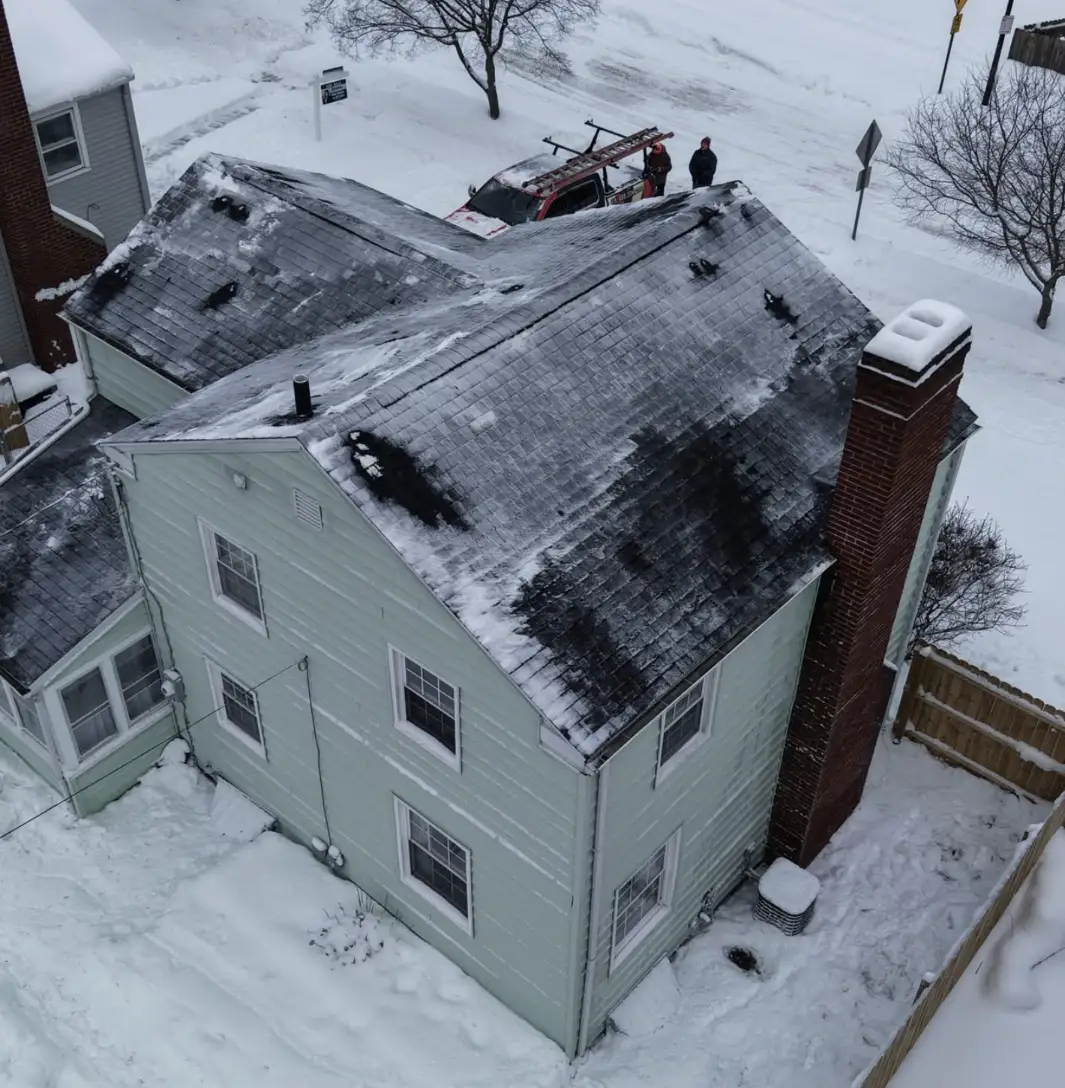
Ice dam and winter roof damage repair by top Roofing Contractor Bismarck ND
Arctic Winters · Deep Snowpack · Freeze Thaw
Bismarck’s Local Ice Dam & Winter Roofing Professionals

Ice Dams and Winter Roofing in Bismarck, ND

What Every North Dakota Homeowner Should Know

Ice dams are the most common winter roofing problem in Bismarck — and in most cases they are preventable. Bismarck Exterior Pros helps homeowners across Bismarck, Mandan, and Lincoln assess ice dam damage, fix the attic and ventilation conditions that cause them, and protect roofs from deep snowpack and freeze-thaw cycles.

Serving Bismarck, Mandan & Lincoln
Ice Dam DamageAssessment
Attic & VentilationRoot Cause
5+ YearsLocal Experience

Formation Science

How Ice Dams Actually Form — The Science Behind the Problem.

Ice dam formation follows a predictable sequence that plays out on under insulated and under ventilated homes across Bismarck every winter. Understanding each step helps you see why the solutions that work address the root cause rather than the visible symptom.

Ice Dam Formation Sequence
Form BEP–11 Page 1 of 1
01 Heat Escape
Steps One & Two
  • Heat escapes through the attic. Every heated home loses some heat through the ceiling into the attic. In homes with inadequate attic insulation, heat escapes through the ceiling plane at a rate that meaningfully warms the attic space. Beyond simple conduction, air leakage is often the more significant pathway. Gaps around recessed lighting, attic hatches, bath exhaust fans, plumbing penetrations, and wiring entry points create thermal bypasses where warm air moves directly from the living space into the attic.

  • The roof deck warms unevenly. When the attic air warms from heat escaping below, the roof deck above the insulated and living areas of the home warms as well. The middle section of the roof, directly above the heated living space, is warmer than the outside air temperature. The eave overhang remains at or near the outdoor air temperature. In a properly performing attic, soffit intake vents at the eave and ridge exhaust vents at the peak create a continuous flow of cold outside air across the underside of the roof deck.

02 Melt & Refreeze
Steps Three & Four
  • Snow melts on the warm mid roof section. Once the roof deck warms above freezing, the snow sitting on it begins melting from the underside. The visible snowpack on the roof may still look intact. Underneath it, at the interface between snow and warm shingle, meltwater is forming. This meltwater runs downhill by gravity toward the eave. In Bismarck’s deep winters, snowpack often sits on roofs from November through March without significant natural melting events.

  • Water refreezes at the cold eave. When the meltwater running down the roof reaches the cold eave overhang, it encounters a surface at or below the outdoor freezing temperature. The water refreezes. The first freezing events create a thin layer of ice at the eave edge. Subsequent meltwater running down encounters the existing ice, flows over it, and refreezes further up the slope. This accumulating ridge of ice at the eave is the ice dam.

03 Backup & Entry
Steps Five & Six
  • Water backs up behind the dam. The ice dam has now created a barrier at the eave that the continuing meltwater cannot pass. Water accumulates behind the dam, pooling on the roof surface above the ice ridge. Asphalt shingles are designed to shed water that flows downhill over them quickly. They are not designed to sit in a pool of standing water. Water that pools behind an ice dam finds every weakness in the shingle system.

  • Water enters the structure. From the roof deck, water follows the path of least resistance into the living space. It tracks along rafters. It absorbs into insulation. It works through sheathing and appears on the interior surface of the ceiling, often well away from the eave where the ice dam is located. The ceiling stain that prompts the homeowner’s call to us appears on an interior ceiling while the ice dam forming it is at the eave on the exterior.

The root cause is always the same: attic thermal performance, not the weather. For the ventilation side in detail, our roof ventilation page covers how the system works and what improvements look like.

Field Notes · Solutions

The Three-Part Solution — What Actually Prevents Ice Dams.

Managing ice dams after they form is symptom management. Preventing them requires addressing the conditions that cause them. There are three components to a comprehensive ice dam prevention approach.

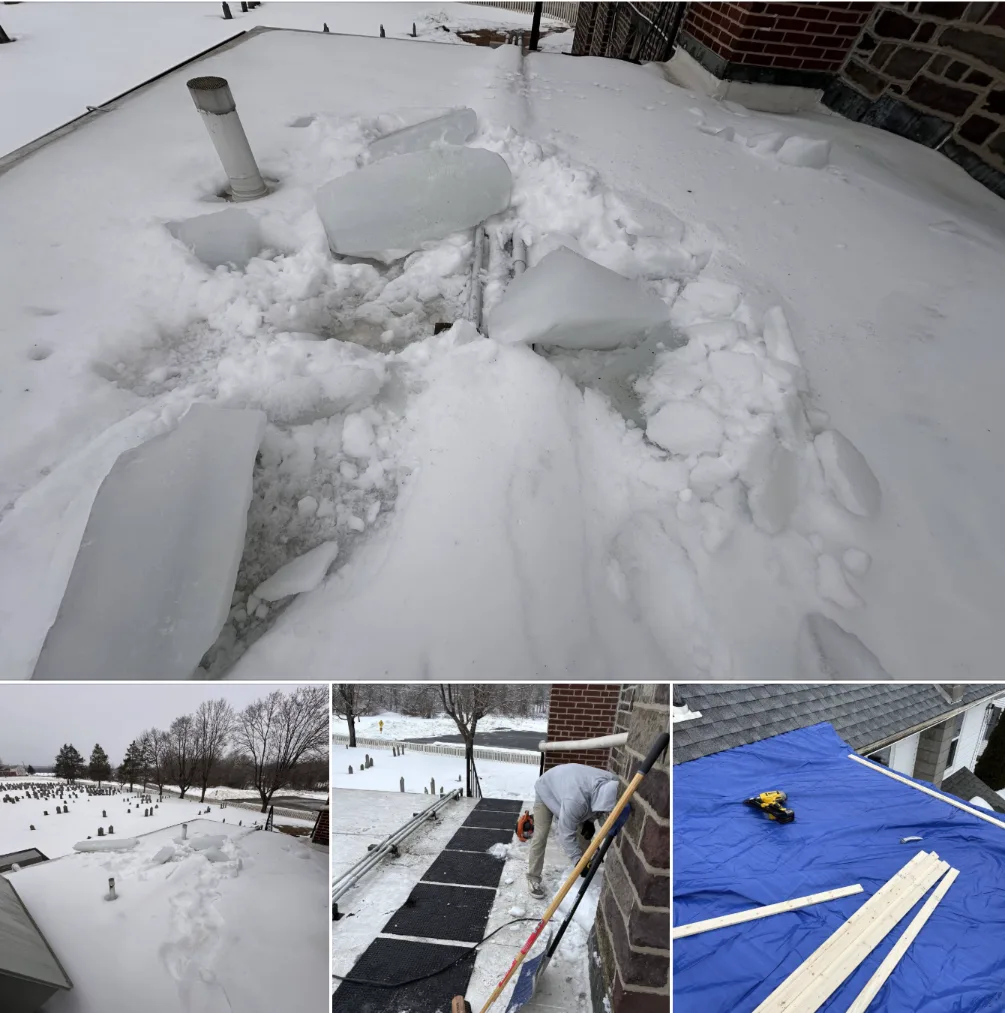
Expert roof repair crew fixing ice dams by trusted Bismarck Roofing Company
01 · Air Sealing First

Seal the Ceiling Plane. Then Insulate.

Before adding insulation, the attic floor needs to be air sealed. Every penetration through the ceiling plane is a potential thermal bypass. Recessed lighting. The attic access hatch. Bath fan penetrations. Wiring holes. Gaps around chimneys or flue pipes.

These air leaks move warm moist air from the living space directly into the attic with much higher efficiency than conduction through the insulation. Sealing them is a prerequisite for insulation to perform as designed. Air sealing in combination with insulation produces meaningfully better results than insulation alone on an unsealed ceiling plane.

02

Adequate Insulation

For Bismarck’s climate, current North Dakota energy standards recommend attic insulation in the R-49 to R-60 range for new construction and renovations. Many homes in Bismarck built before the mid 2000s have insulation levels well below this range. Older homes built in the 1970s and 1980s may have R-19 or R-30 in the attic, which is insufficient by current standards for this climate.

The insulation layer keeps the ceiling below from transmitting heat to the attic air above. When it is adequate, the attic stays cold because the heat from the living space cannot get through in significant quantities.

03

Balanced Ventilation

The ventilation system works alongside insulation to keep the roof deck cold. The design that works in this climate combines continuous soffit intake vents at the eave line with continuous ridge exhaust vents at the peak. This creates a steady flow of cold outside air moving from the soffit upward across the underside of the roof deck and exhausting at the ridge.

When soffit vents are blocked by insulation that has shifted to cover them, or when ridge ventilation is inadequate, the cold air flow across the deck is interrupted. Even a well insulated attic can develop warm spots at the deck if ventilation is not maintaining the cold deck condition throughout the attic volume.

04

Ice and Water Shield at the Eave

Even with proper insulation and ventilation, the ice and water shield membrane at the eave provides the last line of defense against infiltration that can still occur in extreme conditions.

Ice and water shield is a self adhering waterproof membrane installed directly on the roof deck at the eave and in valleys before underlayment and shingles go on. It creates a sealed, self healing layer that resists water infiltration even when water sits against it under an ice dam.

Current best practice for Bismarck’s climate calls for ice and water shield extending from the eave up the slope far enough to cover the area where ice dam backup water is likely to pool. On standard pitched roofs in this climate, a minimum of three feet from the eave is common, though more protection is provided by extending further depending on the roof pitch and exposure.

Ice and water shield at the eave does not prevent ice dam formation. It prevents the water backed up behind an ice dam from getting into the structure. It is a protection measure, not a cure.

05

What DIY Ice Dam Removal Does to Your Roof

Every winter in Bismarck, homeowners tackle ice dams with tools they have on hand. Chipping with an ice pick or chisel. Hammering at the ice ridge with a hammer or the end of a shovel. Pouring hot water from a pot. Using a standard garden hose.

These approaches damage roofs. Chipping and hammering at an ice dam with rigid tools breaks shingles, cuts through underlayment, and dents flashing. The shingles at the eave, already compromised by the ice dam conditions, are not designed to withstand impact from tools. The damage caused by aggressive DIY removal sometimes costs more to repair than the damage the ice dam itself would have caused.

The correct removal approach, when removal is necessary to stop an active leak, is low pressure steam. Specialized steam equipment melts ice without the impact force that damages roofing materials.

06

Ice Dam Damage and Insurance

Ice dam damage is generally covered under most North Dakota homeowner insurance policies as a sudden and accidental water damage event. Whether a specific claim is approved depends on your policy terms, the documentation of the damage, and your carrier’s evaluation.

The distinction between ice dam damage, which is typically covered, and the long term neglect of attic conditions that led to repeated ice dam formation, which may be characterized as a maintenance issue, can affect how a claim is evaluated. Documenting the specific weather conditions and the sudden appearance of interior water damage helps establish the claim as a covered event.

We never guarantee insurance outcomes. If you have ice dam damage that you believe may be covered, document the interior damage with photographs, note the dates when damage appeared and what weather preceded it, and contact your insurance carrier promptly.

07

Ice Dams in Older Bismarck Homes

Homes built in Bismarck before the mid 2000s frequently have attic insulation levels that were adequate for the energy codes of their era but fall below what current North Dakota standards recommend. Many homes from the 1970s, 1980s, and 1990s have attics with original insulation that has compacted over time, reducing its effective R value further.

These homes are the most consistent source of ice dam calls every winter. The same homes, with the same owners, dealing with the same January ceiling stains, year after year. The ice dam keeps coming back because the attic conditions that cause it have never been addressed.

Repairing the ceiling damage is the right response to the interior impact. Addressing the attic insulation, air sealing, and ventilation is what breaks the cycle. If you live in an older Bismarck home and have dealt with ice dams in previous winters, a professional assessment of your attic insulation and ventilation conditions is the starting point.

08

What to Do Right Now If You Have an Active Ice Dam Leak

If you are reading this because you have an active ice dam leak happening right now, here is the immediate practical sequence. Move valuables away from the affected ceiling area. Place buckets or towels under active drips. Do not attempt to access the roof yourself in icy winter conditions. Photograph the interior damage for insurance documentation purposes.

If the ceiling is bulging with trapped water, a small careful puncture at the center of the bulge allows controlled drainage rather than a sudden ceiling collapse.

Call us if you need roofing assessment and repair for the damage. For active ice dam removal to stop the water source, contact a specialist ice dam removal service that uses steam equipment.

After the immediate situation is stabilized, the right follow up is a professional assessment of your attic conditions to understand whether the ventilation and insulation situation can be improved to reduce the likelihood of the same problem next winter. For situations where the immediate leak is urgent, our emergency roof repair page covers the emergency response context.

Ice Dams Across Bismarck, Mandan and Lincoln. Ice dam conditions affect homes throughout the Bismarck Mandan metro equally. The same Arctic winter temperatures, the same snow accumulation patterns, and the same range of housing ages and attic conditions that produce ice dams in South Bismarck produce them in Mandan and Lincoln as well. We assess ice dam damage and related roofing conditions throughout our full service area.

Safe ice removal and roof repair by leading Roofing Contractor Bismarck ND

For the ventilation side of prevention, our roof ventilation page covers the system in detail. For active leaks during winter, our emergency roof repair page covers the emergency response context.

Interior Evidence of Ice Dam Infiltration

The interior evidence of ice dam water infiltration includes water stains on ceilings and walls, typically with a yellowish brown ring at the edges. Paint that is peeling or bubbling near ceiling edges. Wet or compressed attic insulation directly above the affected area. In severe or long duration cases, wood structural components that show moisture staining or in extreme cases the beginning of deterioration.

When Damage Tends to Appear

In Bismarck homes, ice dam damage tends to appear most consistently in February and early March when the combination of accumulated snowpack and sufficient melt conditions creates the heaviest ice dam water intrusion. A warm spell in late January that softens the snowpack can also trigger significant melt and backup behind established ice dams.

Why the Stain Is Rarely Below the Ice Dam

The ceiling stain that prompts the homeowner’s call to us appears on an interior ceiling. The ice dam forming it is at the eave on the exterior. The distance between those two points is often surprising to homeowners who expect a roof leak to show up directly below the damage source.

Air Sealing, Insulation, and Ventilation Together

Managing ice dams after they form is symptom management. Preventing them requires addressing the conditions that cause them. There are three components to a comprehensive ice dam prevention approach.

Air Sealing the Attic Floor

Before adding insulation, the attic floor needs to be air sealed. Every penetration through the ceiling plane is a potential thermal bypass. Recessed lighting. The attic access hatch. Bath fan penetrations. Wiring holes. Gaps around chimneys or flue pipes.

These air leaks move warm moist air from the living space directly into the attic with much higher efficiency than conduction through the insulation. Sealing them is a prerequisite for insulation to perform as designed.

Adequate Insulation

For Bismarck’s climate, current North Dakota energy standards recommend attic insulation in the R-49 to R-60 range for new construction and renovations. Many homes in Bismarck built before the mid-2000s have insulation levels well below this range.

Balanced Ventilation

The design that works in this climate combines continuous soffit intake vents at the eave line with continuous ridge exhaust vents at the peak. When soffit vents are blocked or when ridge ventilation is inadequate, the cold air flow across the deck is interrupted, and even a well insulated attic can develop warm spots at the deck. Our roof ventilation page covers the ventilation system in more detail.

Two Topics That Come Up Every Winter

Insurance Coverage

Ice dam damage is generally covered under most North Dakota homeowner insurance policies as a sudden and accidental water damage event. Whether a specific claim is approved depends on your policy terms, the documentation of the damage, and your carrier’s evaluation.

The distinction between ice dam damage, which is typically covered, and the long term neglect of attic conditions that led to repeated ice dam formation, which may be characterized as a maintenance issue, can affect how a claim is evaluated. Documenting the specific weather conditions and the sudden appearance of interior water damage helps establish the claim as a covered event. We never guarantee insurance outcomes.

Older Bismarck Homes

Homes built in Bismarck before the mid-2000s frequently have attic insulation levels that were adequate for the energy codes of their era but fall below what current North Dakota standards recommend. Many homes from the 1970s, 1980s, and 1990s have attics with original insulation that has compacted over time, reducing its effective R value further.

These homes are the most consistent source of ice dam calls every winter. The same homes, with the same owners, dealing with the same January ceiling stains, year after year. The ice dam keeps coming back because the attic conditions that cause it have never been addressed. Repairing the ceiling damage is the right response to the interior impact. Addressing the attic insulation, air sealing, and ventilation is what breaks the cycle.
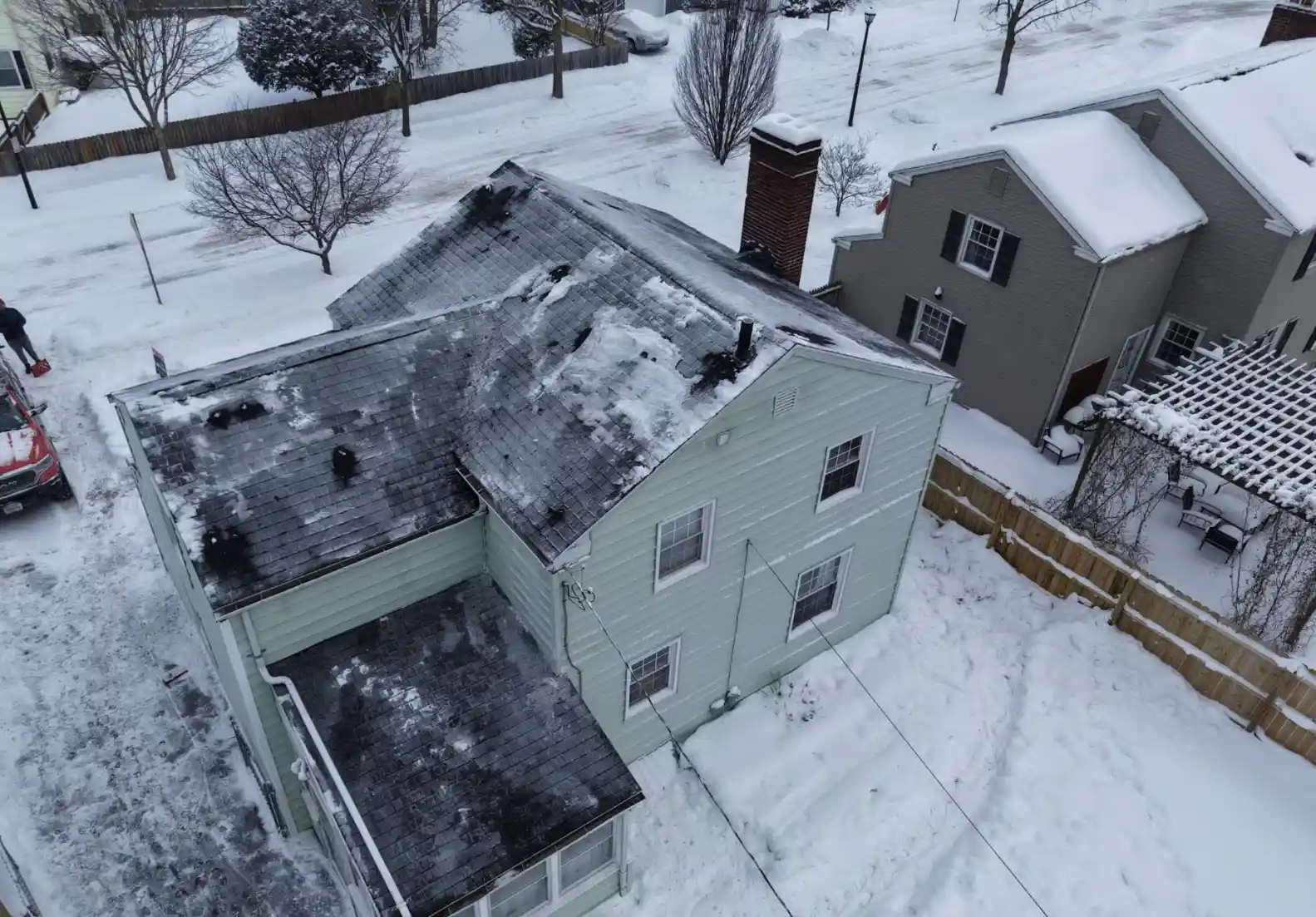
Where We Assess Ice Dam Damage and Prevention

Ice dam conditions affect homes throughout the Bismarck Mandan metro equally. The same Arctic winter temperatures, the same snow accumulation patterns, and the same range of housing ages and attic conditions that produce ice dams in South Bismarck produce them in Mandan and Lincoln as well.

What the Next Step Looks Like

We assess ice dam damage and related roofing conditions throughout our full service area. For specific coverage details, our service areas page covers the full picture. For Mandan specific coverage, our roofing services in Mandan page has the details. For Lincoln coverage, our roofing services in Lincoln page covers that community.

What to Do Right Now

If you have an active ice dam leak, move valuables away from the affected ceiling area. Place buckets or towels under active drips. Do not attempt to access the roof yourself in icy winter conditions. Photograph the interior damage for insurance documentation purposes. If the ceiling is bulging with trapped water, a small careful puncture at the center of the bulge allows controlled drainage rather than a sudden ceiling collapse. Call us if you need roofing assessment and repair for the damage. For active ice dam removal to stop the water source, contact a specialist ice dam removal service that uses steam equipment. For situations where the immediate leak is urgent, our emergency roof repair page covers the emergency response context.

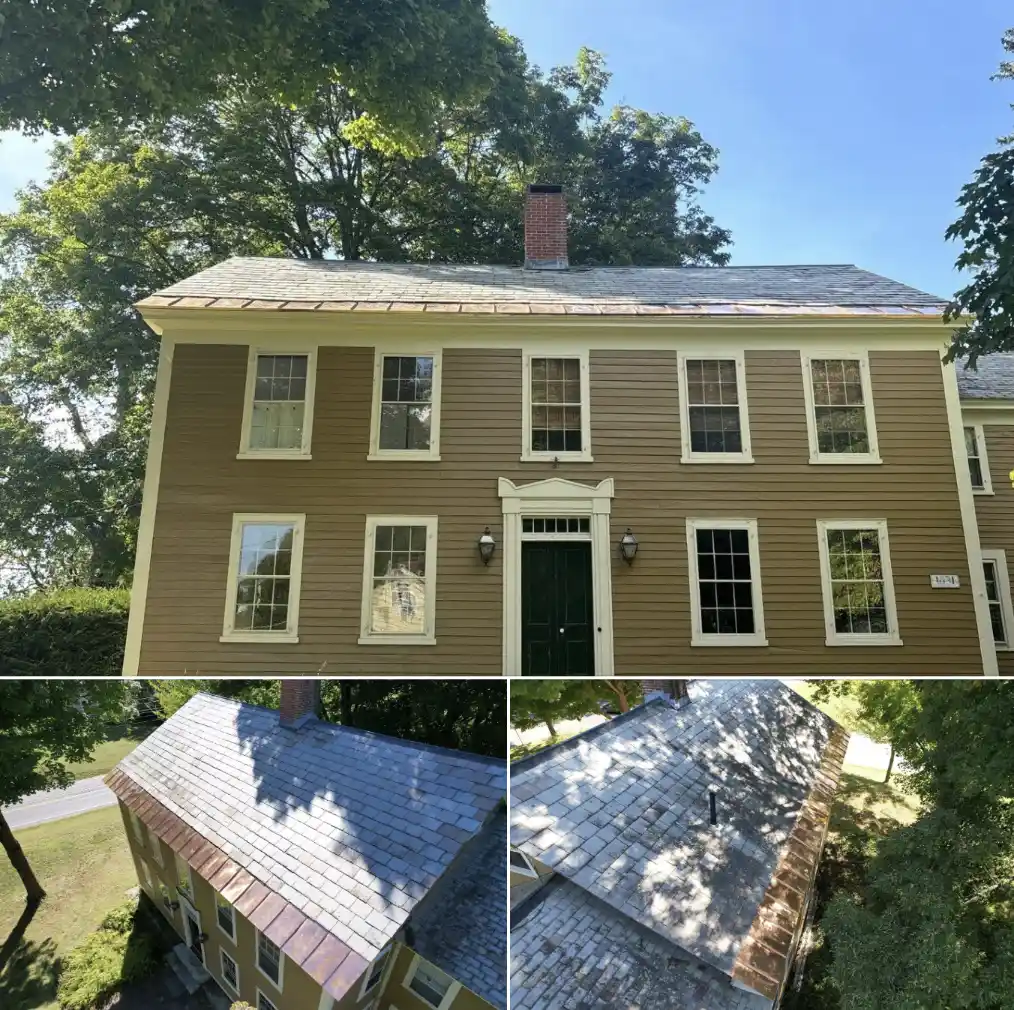
Completed ice dam roof repair by the best Bismarck Roofing Company
  • Ice dams form when heat escaping from inadequately insulated or ventilated attics warms the mid roof section of the roof deck, melting the underside of the snow pack. That meltwater runs to the cold eave overhang, refreezes, and creates a ridge of ice that traps subsequent meltwater. The water pools behind the dam and infiltrates under shingles.

    The root cause is attic thermal performance, not the weather itself.

  • From outside, icicles forming at the eave combined with a visible ridge of ice above the gutter line are the visible indicators. From inside, water stains appearing on ceilings near exterior walls, particularly in February and March, are the most common interior evidence.

    Frost on attic sheathing in winter indicates warm moist air reaching the attic, which is the same condition that causes ice dams.

  • Most standard North Dakota homeowner policies cover sudden and accidental water damage from ice dams as a covered peril. Coverage depends on your specific policy terms and how the damage is documented.

    Contact your carrier promptly and document interior damage with dated photographs before any repairs are made.

  • We strongly advise against chipping, hacking, or hammering at ice dams with rigid tools. These methods damage shingles, cut underlayment, and dent flashing. If removal is necessary to stop an active leak, the correct approach is professional low pressure steam equipment operated by a specialist.

    This is outside our roofing scope but understanding the right approach protects homeowners from causing additional damage.

  • Adequate insulation combined with air sealing and balanced ventilation together prevent ice dams by keeping the roof deck cold and uniformly near outdoor air temperature. Insulation alone without air sealing often leaves thermal bypass points that continue causing ice dams.

    For Bismarck’s climate, current standards recommend R-49 to R-60 in the attic.

  • A balanced system with continuous soffit intake ventilation and continuous ridge exhaust ventilation maintains a cold roof deck by circulating outside air across the deck surface.

    When soffit vents are blocked or ridge ventilation is inadequate, warm attic air accumulates against the deck and contributes to ice dam formation.

  • It varies depending on the severity of the ice dam and the roofing system condition at the eave. In some cases, water appears on interior ceilings within hours of significant ice dam formation. In other cases, slow infiltration through partially compromised underlayment may take several days to show up inside.

    By the time staining is visible, the insulation above has typically been wet for longer than the surface evidence suggests.

  • Metal roofing’s smoother surface sheds snow more readily than asphalt shingles, which reduces the snowpack available to melt and feed the ice dam. Metal also provides a more watertight barrier if water backs up at the eave.

    However, ice dams are fundamentally an attic condition problem. Metal roofing performs differently in ice dam conditions than asphalt but does not eliminate ice dams on homes with inadequate attic thermal performance.

Schedule Your Ice Dam Assessment

Call Bismarck Exterior Pros About Ice Dam Damage or Prevention.

If you are dealing with an ice dam problem this winter, whether it is an active leak, damage from a previous season, or you want to understand your home’s risk before next winter arrives, we are the call to make.

We assess ice dam damage honestly. We explain what the roofing system needs. We connect the roofing condition to the attic conditions that drove the problem. And we give you a clear picture of what addressing it looks like, both for the immediate damage and for the long term prevention. No forms. No pressure. A straight conversation about your roof and your attic.

  • Licensed & Insured
  • 5+ Years Local Experience
  • Attic & Ventilation Root Cause Focus
Call now to discuss ice dam damage or prevention.
Talk to a Local Roofer